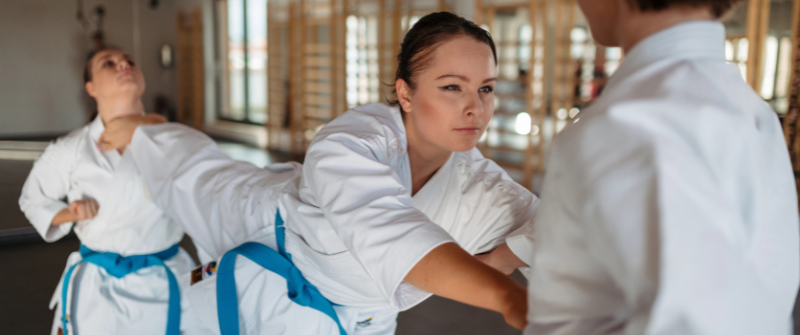
Injury prevention was once largely the role of coaches and corner instructors. That has changed. Now martial arts owners across the industry view safety as an operational and business issue, not just a coaching one. The increase in youth classes, adult beginners, competitive teams, and hybrid fitness sessions has changed who walks through the door and what kind of risk they carry.
Because of this, more schools are revisiting their martial arts studio policies, instructor training, and onboarding of new members. The aim is not to remove every bruise or sprain. The real goal of martial arts injury prevention is reducing avoidable incidents while keeping the training floor productive and safe.
The Injury Landscape Looks Different Than It Did Five Years Ago
The people training today are not the same crowd that filled the mats a decade ago. Now adult beginners comprise a large portion of new sign-ups, and many come with desk jobs, limited mobility, and little athletic background. Studios are also seeing more students with old injuries from other sports or years away from physical activity.
Cross-training athletes adds another layer. Someone might lift weights, run, and roll in jiu-jitsu in the same week, which increases the risk of overuse injuries. Older participants are joining, too, and their recovery rate differs from that of younger students. Today’s members often have different physical limits, recovery rates, and injury histories from traditional martial arts crowds, and good injury-prevention training has to account for that.
Also Read: Advice You Need When Opening a Martial Arts Studio
The Shift From Toughness Culture to Longevity Culture
For a long time, many gyms would proudly wear a “train through the pain” attitude. That kind of mindset is fading away. Owners know that retention matters more than bravado, and students who get hurt tend to drop out. Members now want a training program they can sustain, not a few brutal months.
This is why injury prevention has quietly become a business strategy. Schools that protect their members keep them longer. And longer subscriptions mean steadier income. Many owners who are embracing that shift are modernizing their coaching:
- Smarter training progressions that build skill before intensity
- Recovery education helps students understand rest and mobility
- Better warm-up routines before sparring or hard drilling
- Structured skill advancement instead of rushing belt or level jumps
Youth Programs Are Driving New Safety Expectations
Kids' classes have become a major growth engine. And parents are now becoming very active in asking many basic questions about supervision, sparring regulations, and how a child will be cared for if he or she gets hurt. Concussion and head impact concerns sit near the top of that list, especially for striking styles.
Many academies now set age-appropriate sparring limits and keep clear records of any incidents. These gym safety procedures help protect your business and provide peace of mind for parents. What parents tend to expect in 2026 includes:
- Transparency about how classes are run
- Clear, written safety procedures
- Active instructor oversight during contact drills
- A defined response plan when an injury happens
The Rise of Mixed-Level Training Creates New Challenges
Open mats and mixed levels are good for the community, but rolling or sparring with more experienced students can be dangerous for beginners. A new member may not know how to tap on time, and an experienced partner may misread the gap. Managing intensity becomes the difference between a good session and an avoidable injury.
To handle this, schools are tightening supervision and pairing rules. Strong injury prevention strategies for martial arts academies usually rely on clear partner matching rather than leaving it to chance. Common policy updates in this area include:
- Partner matching guidelines based on size and experience
- Restrictions on what new students can do early on
- Controlled sparring progression that adds intensity slowly
- Instructor intervention protocols when a round gets too heated
Studios Are Paying Closer Attention to Return-to-Training Decisions
One of the biggest changes is how schools handle students returning from injury. The silent driver of repeat problems is returning too soon, because a tissue that has not fully healed gives out under load. Rushing back typically results in a worse injury and a longer absence.
Certain injuries almost always require modified training before full contact resumes:
- Joint injuries that limit range of motion
- Shoulder injuries that affect grips and posts
- Knee injuries that make takedowns risky
- Concussions that need to be cleared before any sparring
- Rib injuries that flare under pressure or during clinch work
Written return-to-training policies are becoming more common because they remove assumptions. And a documented plan protects the student from re-injury and the coach from a judgment call in the moment.
Also Read: Martial Arts Studio Startups: Build Your Risk Management Plan
Social Media Has Changed Injury Visibility
Mat injuries don’t stay inside the gym anymore. A bad spar can be out on social media in minutes, and a poorly handled incident can go far beyond a school's own membership. That visibility has increased the pressure on owners to address problems as they occur.
Students now expect accountability and clear communication after an injury, not silence. Reputation increasingly tracks with safety standards, so schools that document incidents and follow up well tend to hold public trust. This is one more reason careful record-keeping has moved from optional to expected.
Modern Injury Prevention Policies Go Beyond Physical Safety
Good safety work now starts before a student ever steps on the mat. Many schools screen new members for past injuries and current health so coaches can make adjustments from day one. Instructor education requirements have also increased, with more owners requesting first-aid certification and continuing education.
The physical space is important, too. Clean mats, adequate spacing, and well-maintained equipment all help to reduce avoidable accidents. Solid combat sports safety also requires an emergency response plan and a clear way to communicate rules and changes to members. These layers work together to ensure member safety and protect the coaches and the owner from potential claims.
What Studio Owners Often Overlook
Injuries are often assumed to occur mostly in competitive settings and during tough sparring sessions. The truth is that many injuries happen during training sessions when one lets their guard down with familiar training partners. Owners who actually track incidents are often surprised by the pattern.
Another overlooked truth is that policies don’t matter much if they aren’t consistently enforced. A rule that lives in a binder and never hits the floor doesn’t protect anyone. Good martial arts risk management also has to grow with the business, because a school with 200 members demands more structure than one with 40. This is not a one-off project, but a work in progress.
How Injury Prevention and Insurance Work Together
Safety policies and coverage support each other, but they are not the same thing. Strong operational habits can reduce the frequency of incidents, which reduces overall risk exposure. Good documentation also helps a great deal when an incident does need to be managed or reviewed.
Still, martial arts insurance is not a replacement for day-to-day safety. Coverage helps a business absorb the financial side of an accident, while prevention reduces how often accidents occur in the first place. Looking at martial arts studio liability and injury-prevention policies together is what keeps a school stable in the long run.
Why 2026 Is Becoming a Turning Point for Martial Arts Risk Management
Several trends are coming in at once. Participation continues to increase, demographics continue to shift to new and older adults, and consumer expectations around safety continue to grow. Meanwhile, martial arts businesses are simply being more professional than they used to be.
It’s a combination of these factors that explains why martial arts studios are rewriting injury prevention policies in 2026. Safety used to be something studios reacted to after an injury landed on the mat. Now it sits at the front of the planning conversation, shaping how owners schedule classes, pair students, and train instructors before anything goes wrong.
Also Read: 7 Martial Arts Marketing Strategies That Deliver Results
Key Takeaway
The pattern across the industry is consistent. In the most successful martial arts schools, injury prevention is now a primary business function, not an afterthought in coaching. That mentality protects students, supports retention, and builds the business.
As studios continue to evolve, injury prevention, risk management, and operational safety have become essential to long-term success. NEXO understands the specific challenges martial arts businesses face and offers specialized insurance solutions built for combat sports professionals, academy owners, and instructors.
See how the right coverage can support your martial arts business as safety expectations continue to change. Connect with NEXO today.

Recent Posts
-
 Expanding Your Personal Training Services? Review Your Insurance First
September 14, 2026
Expanding Your Personal Training Services? Review Your Insurance First
September 14, 2026 -
 One Fitness Business, Multiple Services: Does One Insurance Policy Cover Everything?
September 4, 2026
One Fitness Business, Multiple Services: Does One Insurance Policy Cover Everything?
September 4, 2026 -
 Can Martial Arts Schools Rent Their Space to Other Businesses?
September 2, 2026
Can Martial Arts Schools Rent Their Space to Other Businesses?
September 2, 2026 -
 Does Dance Studio Insurance Cover Competition and Travel Teams?
August 21, 2026
Does Dance Studio Insurance Cover Competition and Travel Teams?
August 21, 2026 -
 Stretch Therapy vs. Personal Training: Does Your Insurance Change?
August 14, 2026
Stretch Therapy vs. Personal Training: Does Your Insurance Change?
August 14, 2026