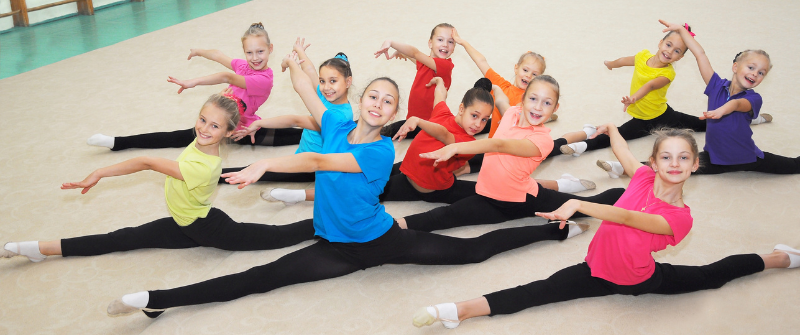
It’s October, and a studio owner is finalizing hotel blocks for a regional competition three states away. Costumes are packed, the choreography is set, and the team is ready to go. But one question is easy to miss until it matters: does the studio's current policy still apply once the team leaves the building? The answer isn't always straightforward.[...]

Competition season brings a familiar scene. An independent instructor rents space from a studio owner to conduct a weekend workshop. Meanwhile, another coach is using that same space to coach a travel team before nationals. Many people assume the studio's policy automatically extends to independent instructors. In reality, coverage depends on the[...]

Dance training has become more intense. Competitive programs now run all year, and social media keeps raising expectations for performances. With packed rehearsal schedules, dancers have little time to recover. As a result, more young dancers are getting injured, burning out early, or dropping out mid-season, leaving studios searching for answers.

A new kind of group workout is appearing on many gym schedules. These classes feel more like events than traditional training sessions. The lights are dimmer, the music is louder, and the atmosphere feels very different from that of typical group fitness classes.

Keeping members coming back has always been tough for gyms. Many people start with a lot of motivation, but others stop showing up after a few months. Busy schedules, fading motivation, or repetitive workouts can all play a part. Even great programs can lose their appeal if the experience feels the same every time.

Gyms are competing for attention more than ever. It’s no longer just about equipment or class schedules. Members have more choices, and they’re comparing experiences, not just workouts. Traditional group classes often follow a predictable format. Warm-up, main set, cooldown. While this structure works, it can start to feel repetitive over time. As a[...]
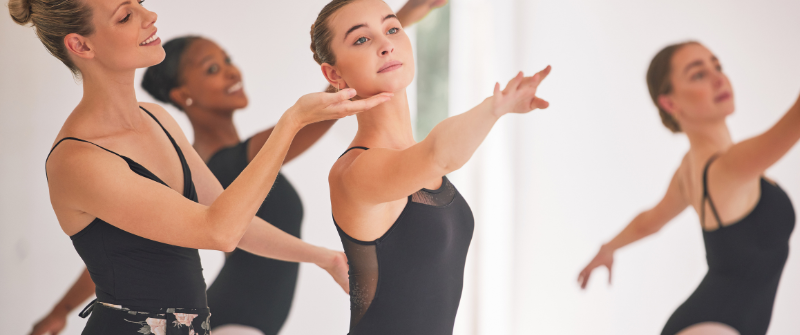
At the start of class, everything usually feels under control. The room is set, the choreography makes sense, and everyone is moving more or less together. From the outside, it looks like a safe, well-run environment. But that doesn’t always tell the full story.
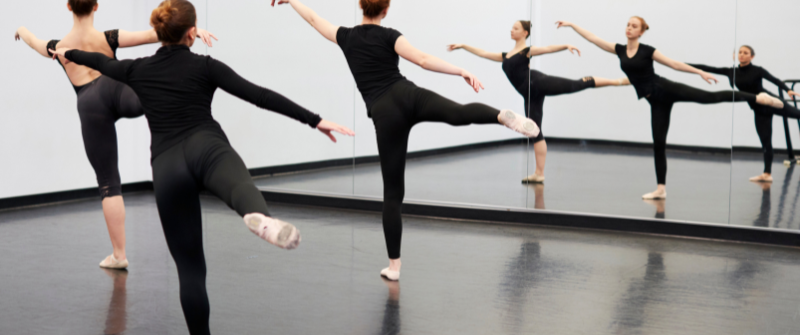
Why Liability Is a Common Concern for Dance Studios
Dance is physical. It demands strength, balance, flexibility, and control. Students repeat movements many times to improve. During recital season, they often practice longer hours and try more complex skills.
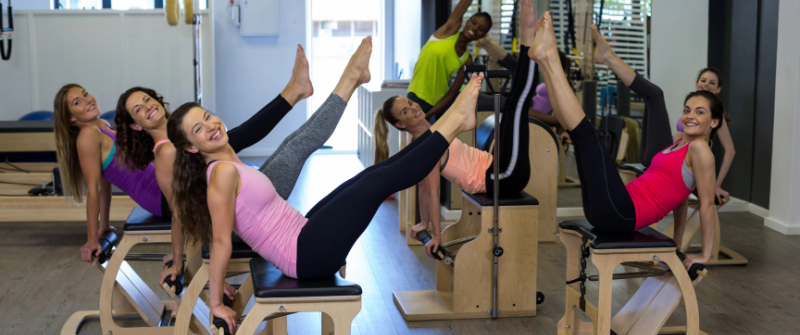
Why Emergency Preparedness Matters in Pilates Studios
Pilates studios are often regarded as peaceful retreats, emphasizing controlled movements, mental focus, and gentle exercise. Since Pilates prioritizes control rather than power, many owners assume that medical emergencies are unlikely. With only quiet breathing audible in the background, a serious[...]
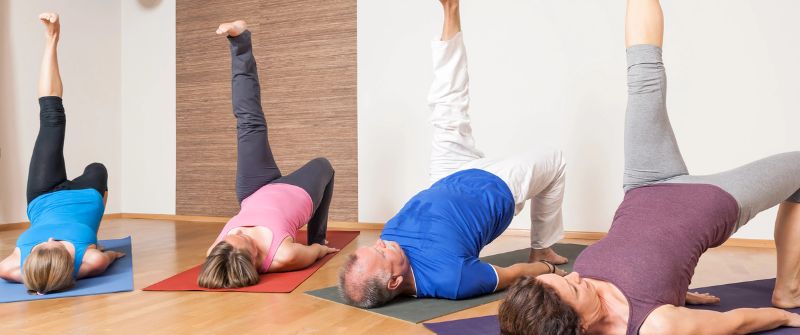
Many yoga and Pilates instructors dream of the moment they open the doors to their studio, but that excitement often hides the part that shapes everything that follows: the lease. A yoga studio lease involves far more than monthly rent or a room that looks the right size, and early decisions in a Pilates studio lease influence how the business grows.[...]
Recent Posts
-
 Expanding Your Personal Training Services? Review Your Insurance First
September 14, 2026
Expanding Your Personal Training Services? Review Your Insurance First
September 14, 2026 -
 One Fitness Business, Multiple Services: Does One Insurance Policy Cover Everything?
September 4, 2026
One Fitness Business, Multiple Services: Does One Insurance Policy Cover Everything?
September 4, 2026 -
 Can Martial Arts Schools Rent Their Space to Other Businesses?
September 2, 2026
Can Martial Arts Schools Rent Their Space to Other Businesses?
September 2, 2026 -
Does Dance Studio Insurance Cover Competition and Travel Teams?
August 21, 2026
-
 Stretch Therapy vs. Personal Training: Does Your Insurance Change?
August 14, 2026
Stretch Therapy vs. Personal Training: Does Your Insurance Change?
August 14, 2026