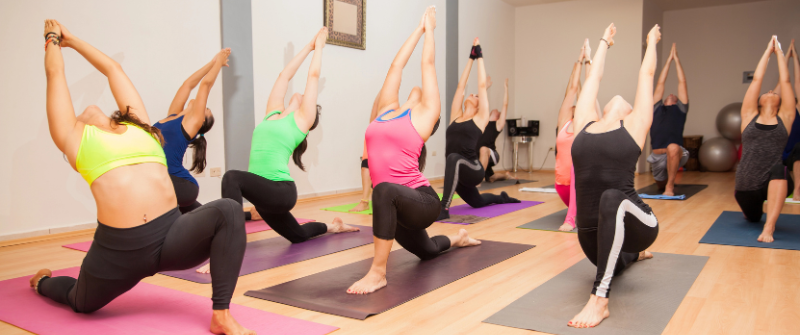
Yoga businesses are adapting to new client expectations. Many clients want more than just a challenging workout or a sweaty class. They are looking for spaces where they can relax, recover, and support both their mental and physical health.
Today, people often experience stress, burnout, poor sleep, and muscle tension due to their busy lives. Long work hours, too much screen time, and packed schedules leave people feeling worn out. This is why more clients are seeking wellness services to help them slow down and recharge.
This shift is changing the yoga industry in 2026. Many studios now offer recovery services, mobility classes, breathwork, and wellness programs. Some are also working with wellness providers to give clients a more complete recovery experience.
Recovery is no longer just an add-on. For many clients, it is now a main reason to visit a yoga studio.
Why Client Expectations Around Yoga Are Changing
Today, many people see yoga as more than exercise. In the past, clients joined studios for fitness or flexibility. Now, many come to feel calmer, have lower stress, and find more balance.
Burnout has become the norm, especially for busy professionals. Long workdays, busy schedules, and constant screen time leave many people drained. As stress builds, the body often responds with tight muscles, headaches, fatigue, and poor sleep. Because of this, clients want places to recover instead of always pushing themselves. Many now choose slower classes that help them relax, breathe deeply, and release tension.
Yoga is also attracting more people from fitness and sports backgrounds. Runners, weightlifters, and other active adults often use yoga to improve flexibility and reduce soreness. For them, yoga is now part of their recovery routine, not just a workout.
The wider wellness industry is also shaping what convenience means for clients. Many people no longer want to go to different places for fitness, recovery, and stress relief. They prefer a single space that supports their overall well-being.
Also Read: Do You Need Insurance for Outdoor or Mobile Yoga Classes?
What Recovery and Wellness Services Yoga Studios Are Adding
Restorative and Nervous System-Focused Classes
Many studios are adding slower, calmer classes to their schedules. Yin yoga and restorative yoga are getting more popular because they help clients relax and release tension. Guided breathwork classes are also growing quickly. These sessions teach breathing techniques that help clients feel calmer and manage stress better.
Meditation-based recovery sessions are becoming common too. These classes give clients quiet time to slow down mentally and emotionally. Many people often leave feeling calmer and more rested.
Mobility and Functional Movement Offerings
Mobility classes are now a big part of many studio schedules. Joint mobility sessions help clients improve flexibility, posture, and movement. Stretch therapy classes are also attracting people who might not usually try yoga. Many clients just want relief from stiffness and tight muscles.
Recovery mobility flows are especially popular with athletes, gym members, and busy professionals. These classes help reduce soreness and improve movement after long workdays or tough workouts. Studios are finding that practical movement support is now as important as traditional yoga instruction.
Wellness-Based Add-Ons and Partnerships
Many yoga studios are also growing through wellness partnerships and special events. Sauna and cold therapy partnerships are becoming more common as many clients seek comprehensive recovery experiences. Some studios also work with massage therapists or bodywork providers to offer more wellness services.
Studios are also hosting stress management workshops and recovery events. These programs help build stronger client relationships and open up new income opportunities. For many studios, wellness partnerships are now a key part of long-term growth.
Why Recovery Services Are Becoming a Business Strategy
Recovery services are helping yoga studios grow financially. Many now offer recovery memberships, wellness workshops, and specialty classes along with regular yoga memberships. These services create new income opportunities without depending only on large class attendance.
Recovery-focused services can also help studios keep clients longer. Many people feel more comfortable in slower-paced classes than in high-intensity fitness settings. With less pressure and comparison, clients are more likely to come back regularly.
Studios are also competing in a crowded wellness market. Businesses that focus on recovery, stress relief, and long-term wellness often stand out more than those that only offer standard yoga classes. Many studios are finding that clients who come for recovery attend classes more regularly over time, since stress relief and recovery are ongoing needs.
Also Read: Online Yoga Classes: Should Your Studio Go Digital?
How the Fitness Industry Is Influencing Modern Yoga Studios
The fitness industry has helped boost demand for recovery services. Many people now do intense workouts, engage in endurance sports, and do strength training. While these activities improve fitness, they can also leave people feeling sore, tight, and tired. Active adults now recognize the need for proper recovery to avoid injury and burnout.
Because of this, yoga studios have become recovery spaces for athletes and gym members. People now often go to yoga classes to improve flexibility, reduce muscle tension, and recover between workouts.
Studios are also changing how they talk about yoga. They are now highlighting mobility, recovery, and injury prevention in their service promotion. This approach connects better with people who may not relate to traditional yoga marketing. As a result, yoga studios are getting more attention from a wider range of clients, including athletes, busy professionals, and fitness-minded adults.
The Rise of Nervous System Regulation as a Wellness Trend
Many clients today know more about how stress affects the body. Terms like chronic stress and nervous system overload are now well-integrated in wellness talks. Because of this, more people are looking for ways to feel calm and balanced.
Breathwork, meditation, and restorative yoga classes are growing quickly because they help clients slow down and relax. Many people find these classes helpful for getting better sleep and feeling less anxious.
There is also a bigger cultural shift happening in wellness. Many people are tired of always feeling rushed and overstimulated. Now, they want slower, healthier habits that support long-term health. This is one reason why recovery-focused wellness services continue to grow in 2026.
What Yoga Studios Often Overlook When Expanding Wellness Services
Adding new wellness services can bring challenges for studio owners. Recovery programs and mobility services still need well-trained instructors and clear safety guidelines. Operations can also get more complex as services expand. New classes might need different equipment, staffing plans, and scheduling systems. Without careful planning, adding new services can cause stress and confusion for both staff and clients.
Studios also need to think about their brand identity. Not every wellness trend fits every studio. A business known for traditional yoga might confuse clients if it suddenly adds trendy recovery services without a clear purpose. Studios usually grow best when new services match their existing style and meet client needs.
The Insurance and Liability Questions Wellness Expansion Creates
Recovery services, while mostly slow-paced and gentle, can still increase liability risks. Assisted stretching, mobility work, and recovery equipment can pose different safety concerns than traditional yoga classes. Some studios forget to update their insurance coverage when adding new services. This can cause problems if a client gets injured later. Working with outside wellness providers can also raise legal and insurance questions. Studios need to review waivers, contracts, and safety procedures carefully.
Even gentle classes can sometimes lead to injuries. A client might strain a muscle or lose balance during a restorative or mobility session. Clear guidelines and proper documentation are important for every studio.
Why the Future of Yoga Studios Looks More Hybrid
Many yoga studios are becoming full-fledged wellness spaces rather than just yoga centers. Clients can now go to yoga classes, mobility sessions, breathwork workshops, and recovery events all in one place. People also want more flexible wellness options. They prefer memberships that let them pick different services based on their needs and schedules.
Most importantly, recovery is becoming a key part of wellness culture. More people now focus on rest, stress relief, and long-term health rather than only on intense workouts. Studios that support these changing needs are more likely to build strong communities and grow their business over time.
Also Read: Enhancing Coverage with Safety Practices for Lower Workers' Comp Premiums at Yoga Studios
Conclusion
Yoga studios are changing as clients' needs evolve. Recovery services, mobility work, breathwork, and stress support are now a big part of modern wellness. Clients today want more than exercise. They want spaces that help them relax, recover, move better, and feel healthier in daily life.
For studio owners, this brings both new opportunities and new responsibilities. Adding wellness services requires careful planning, trained instructors, robust systems, and clear safety rules. Studios that adapt well can build stronger client relationships and grow more steadily over time.
If your studio is planning to add recovery or wellness services, now is a good time to review your programs, staff training, and business setup. NEXO helps studios build safer and more organized wellness programs that support both business growth and client care.
Connect with NEXO today to help ensure your studio is prepared for the evolving wellness industry.

Recent Posts
-
 Expanding Your Personal Training Services? Review Your Insurance First
September 14, 2026
Expanding Your Personal Training Services? Review Your Insurance First
September 14, 2026 -
 One Fitness Business, Multiple Services: Does One Insurance Policy Cover Everything?
September 4, 2026
One Fitness Business, Multiple Services: Does One Insurance Policy Cover Everything?
September 4, 2026 -
 Can Martial Arts Schools Rent Their Space to Other Businesses?
September 2, 2026
Can Martial Arts Schools Rent Their Space to Other Businesses?
September 2, 2026 -
 Does Dance Studio Insurance Cover Competition and Travel Teams?
August 21, 2026
Does Dance Studio Insurance Cover Competition and Travel Teams?
August 21, 2026 -
 Stretch Therapy vs. Personal Training: Does Your Insurance Change?
August 14, 2026
Stretch Therapy vs. Personal Training: Does Your Insurance Change?
August 14, 2026