---
title: Can Martial Arts Schools Rent Their Space to Other Businesses?
description: Can martial arts schools rent space to other businesses? Learn how rentals can affect liability, insurance coverage, and risk.
image: https://blog.nexofit.com/hubfs/Untitled%20design%20-%202026-08-28T192450.478.png
---
[info@nexoins.com](mailto:info@nexoins.com)
[310-937-2007](tel:3109372007)
[Login](https://nexo-production.herokuapp.com/login)
- [About Us](https://www.nexofit.com/about-us/)
- Services
- [Gym & Studio Insurance Protection](https://www.nexofit.com/service/insurance-protection/)
- [Alternative Balance](https://nexofit.com/insurance/alternativebalance/)
- [Insurance for Infant Swimming Resource](https://www.nexofit.com/service/isr-instructors)
- [Marketing Services](https://www.nexofit.com/marketing-services/)
- [Background Checks](https://www.backgroundsonline.com/nexo)
- [Free Injury Reporting](https://www.nexofit.com/service/free-injury-reporting/)
- [Insurance Renewal Reminder](https://resources.nexofit.com/insurance-renewal-reminder)
- [Client Deals](https://app.nexofit.com/member-benefits)
- [Brokers](https://www.fitnessnexo.com/)
- [Affinity Programs](https://nexofit.com/affinity-programs/)
- Resources
- [Blog](https://blog.nexofit.com/)
- [Client Stories](https://blog.nexofit.com/client-stories)
- [Ebooks](https://resources.nexofit.com/ebooks)
- [Gym Insurance Podcast](https://resources.nexofit.com/it-depends-podcast-interviews-eric-reingen)
- [Fitness Insurance by NEXO](https://resources.nexofit.com/fitness-insurance-by-nexo-interview)
- [Business Insurance: What You Need To Know](https://www.nexofit.com/business-insurance-what-you-need-to-know/)
- [Claims Center](https://www.nexofit.com/claims-center/)
- [Contact](https://www.nexofit.com/contact-us/)
- [Support](https://support.nexofit.com/)
[Apply Today](https://resources.nexofit.com/fitness-wellness-and-isr-instructors-insurance-applications)
# Can Martial Arts Schools Rent Their Space to Other Businesses?
1. [Home](https://www.nexofit.com/)
2. [Martial Arts Insurance](https://blog.nexofit.com/tag/martial-arts-insurance) [Martial Arts Gym](https://blog.nexofit.com/tag/martial-arts-gym)
3. Can Martial Arts Schools Rent Their Space to Other Businesses?

- by NEXO Team
- September 2, 2026
Every dojo has quiet hours. Maybe it's the middle of the morning, before school lets out. Maybe it's the early afternoon lull between your last class and your next one. That empty mat space still costs you rent, utilities, and insurance, whether anyone is using it or not.
More school owners are asking whether that empty time can be turned into income. The answer is yes. Martial arts schools can rent out unused space to other businesses, such as yoga instructors, personal trainers, or wellness coaches. This can bring in steady extra income without adding new classes to your own schedule.
But renting your space is not as simple as handing someone a key. It changes who is legally responsible if something goes wrong. It can affect your lease. It can affect your insurance. And it can create risks that many school owners don’t think about until it is too late.
This guide walks through what to check before you rent your space, what risks to plan for, and how the right insurance can protect your school. [NEXO helps studio owners build coverage](https://nexofit.com/service/insurance-protection/) that fits this exact situation.
## Key Benefits and Popular Business Rental Options for Dojos
Renting unused hours turns a fixed cost into extra income. You already pay rent and utilities. Renting out empty time means you get paid for space that would otherwise sit unused. [ABC Fitness](https://abcfitness.com/abc-articles/are-you-taking-advantage-of-the-sports-performance-market-in-your-area/) noted that IHRSA treats “revenue per square foot” as an important financial barometer for evaluating club performance, and [IHRSA](https://www.healthandfitness.org/ihrsa-releases-2018-profiles-of-success/)’s own guidance also emphasizes multipurpose facilities and training zones as ways to make better use of existing space.
Some businesses fit well into a martial arts space. They don’t clash with your brand or your schedule. Yoga and Pilates instructors often want quiet rooms during the day, when your school is slow. Personal trainers look for open floor space they can use without renting a full gym. Dance teachers, wellness coaches, and even defensive tactics trainers can also make good use of a dojo's layout.
The best tenants are the ones who add to your business instead of competing with it. A daytime yoga class doesn’t threaten your evening karate program. It fills a gap in your schedule. It can also bring in new faces who notice your school and sign up their kids.
Also Read: [Is a Martial Arts Studio a Profitable Business?](https://blog.nexofit.com/is-a-martial-arts-studio-a-profitable-business)
## Essential Legal and Property Prerequisites Before Renting
Before you hand over a key or an alarm code, a few things need to be checked first.
Master lease subletting terms. If you rent your own space, your lease may say nothing about subletting. Or it may not allow it at all. Read the sublease clause carefully. If you are unsure, ask your landlord directly. The [U.S. Small Business Administration](https://www.sba.gov/business-guide/manage-your-business/buy-assets-equipment?) often advises small business owners to review lease terms closely before making any subleasing decision. Rules on consent and restrictions can vary a lot from lease to lease. Getting written permission now can save you a much bigger problem later.
Local zoning and permitting. Cities control what type of business activity can happen in a given space. Your dojo might be zoned for one kind of use but not for hosting a separate, unrelated business. According to [Start Permit](https://startpermit.com/blog/how-to-start-a-martial-arts-studio/), martial arts studios typically need commercial or mixed-use zoning, and in some commercial zones they may also require a [Conditional Use Permit](https://strompermit.com/blog/conditional-use-permit-california-guide/). Before signing a lease or opening, check with the local planning department to confirm the use is allowed at that address.
Written facility use contracts. A handshake agreement isn’t sufficient. Write down the arrangement. Include hours of use, cleaning routines, and rules for shared equipment (such as mats, mirrors, or sound systems). This protects both parties. It also prevents arguments over a cluttered space or broken equipment.
Property damage liability. Mats, heavy bags, and training gear are not cheap to replace. Your contract should state who pays if something gets damaged during a tenant's rental hours. Your insurance should support that too.
Even well-intentioned rental arrangements can create unexpected challenges. Questions about cleaning responsibilities, shared equipment, scheduling conflicts, keys, alarm codes, and access outside business hours should all be addressed before the first rental begins. Clear expectations reduce misunderstandings and often prevent disputes before insurance ever becomes part of the conversation.
## Hidden Insurance Risks When Hosting Third-Party Businesses
Bringing another business into your space changes your risk. This is true even if you never touch their equipment or teach their class.
Picture a yoga student who slips and falls during a class you were not even there to see. Or a piece of shared equipment breaks during a rental hour and someone gets hurt. Or a tenant runs an activity you did not know about, something rougher than the calm wellness class you agreed to, and a claim gets filed. In many of these cases, a standard [martial arts insurance](https://blog.nexofit.com/liability-insurance-for-martial-arts) policy may not respond. It was written to cover your school's own programs, not a third party's activities happening under your roof.
A generic waiver signed by the tenant's clients is not enough either. Waivers can be challenged in court. They don’t replace real coverage that pays out when something goes wrong. If your policy doesn’t clearly cover facility rental, you could end up defending a lawsuit with no coverage behind you.
Also Read: [Martial Arts Studio Startups: Build Your Risk Management Plan](https://blog.nexofit.com/martial-arts-studio-startups-build-your-risk-management-plan)
## How NEXO Protects Martial Arts Studios Renting Space
This is where working with a specialist matters. NEXO builds [commercial liability](https://en.wikipedia.org/wiki/Commercial_general_liability_insurance) policies made for fitness and martial arts businesses that rent out their space.
Every rental arrangement is a little different, which is why NEXO works with studio owners to review how the space is being used before [recommending coverage](https://blog.nexofit.com/the-cost-of-assuming-coverage-instead-of-confirming-it) in some situations that may involve requiring tenants to carry their own [liability insurance](https://blog.nexofit.com/general-liability-versus-professional-liability-insurance-what-is-the-difference) and provide a Certificate of Insurance naming your school as an Additional Insured. In others, it may involve updating your own policy to reflect the expanded use of your facility.
- Requiring every tenant to give a [Certificate of Insurance (COI)](https://www.investopedia.com/terms/c/certificate_of_insurance.asp) that names your school as an "Additional Insured." This means their policy responds first if something happens during their rental hours.
- Custom commercial general liability coverage built for multi-use fitness facilities, not a one-size-fits-all policy made for a single-purpose gym.
- Policy updates that keep pace as your rental arrangements grow, whether you add one tenant or several.
Instead of hoping your current policy happens to cover a situation it was never written for, [with NEXO](https://www.google.com/maps/place/NEXO+Insurance+Services,+Inc./data=!4m2!3m1!1s0x0:0x4527b2907308df2c?sa=X&ved=1t:2428&ictx=111), you get coverage built around how you actually use your space today.
## Studio Space Rental Checklist: 5 Questions Before Signing a Tenant
Before you sign any rental agreement, run through these five questions:
- Does my commercial landlord permit subleasing or space rental under my current lease?
- Has the renting business provided a Certificate of Insurance naming my dojo as an Additional Insured?
- Do we have a signed, legally binding facility rental agreement in place?
- Are storage, mat maintenance, and sanitation responsibilities clearly written out?
- Have I reviewed and updated my facility coverage with NEXO to reflect this new arrangement?
If you can answer yes to all five, you're in a strong position to move forward.
Also Read: [7 Martial Arts Marketing Strategies That Deliver Results](https://blog.nexofit.com/7-martial-arts-marketing-strategies-that-deliver-results)
## Conclusion
Renting out unused studio space can create valuable additional income, but only when the legal agreements, insurance, and operational planning are just as solid as the business opportunity itself. Taking a little extra time before signing your first tenant can help protect the business you've worked so hard to build.
If you skip any of these steps, you can turn a good idea into an expensive mistake. Take the time to get your lease terms, contracts, and insurance right to protect your business, your property, and the reputation you have built.
Before you sign your first rental agreement, [talk with NEXO about whether your current coverage reflects how your facility will actually be used](https://nexofit.com/contact/). A quick policy review today can help prevent costly surprises later.
[](https://blog.nexofit.com/hs/cta/wi/redirect?encryptedPayload=AVxigLJ1s2Cd9b4tqgGokeX8G0ToYMN1a9%2FNaWGfubG1UgroCv3XPq3pLnx7ZnANr%2F48gMNZxhpXfNNZPYwC5yczVc0RLD2DffhmmXM9NzJ7mZi%2BSnatklZ6mme37N9xvC8l9GabQHYKzpmLQHZfgqQFRDFHOLzSlo9ZIKy0LllCAN5k1bzryIMcbwEUexjwTnH7fKky12hI1Bz6m21OLRhSiUmmJaNx8lKbcR8Izheki0BQz8PxZvzMCImtWyHkcX0xos81hLxe0933%2F1%2FD7EEbFBpsMUmO9qNfeZZ%2B&webInteractiveContentId=191321601337&portalId=8070281)
## FAQs
### Does my standard martial arts insurance policy cover injuries that happen during a tenant's class?
Usually not. Standard policies are written around your school's own programs, not a separate business operating in your space. Without added coverage, a claim tied to a tenant's class may not be covered at all.
### What is an "Additional Insured" endorsement, and why must studio sub-tenants provide one?
It’s an extension to the tenant’s own insurance policy to cover your school for incidents arising out of their activities. It means that if something goes wrong during their rental time, their insurance can kick in first instead of your policy absorbing the claim.
### Can I rent my martial arts studio to businesses outside of fitness, such as event organizers or tutors?
Yes, as long as your lease and local zoning permit that kind of use. The same principles of insurance apply. If an outside business is using your space, they should have their own liability coverage and list your school as an Additional Insured.
### What happens if a sub-tenant damages specialized studio equipment like mats or heavy bags?
This should be detailed in your written lease agreement, including who is financially responsible for what. A property damage insurance policy can also help protect you if the tenant’s insurance doesn’t cover the full cost.
### How quickly can NEXO adjust my facility policy if I start renting out my dojo space?
NEXO works with studio owners to update policies as rental arrangements are added or changed, so your coverage reflects your current operations rather than an outdated snapshot of your business.
##### Categories
- [Gym Insurance (89)](https://blog.nexofit.com/tag/gym-insurance)
- [Opening a Gym (34)](https://blog.nexofit.com/tag/opening-a-gym)
- [Martial Arts Insurance (32)](https://blog.nexofit.com/tag/martial-arts-insurance)
- [Functional Fitness (27)](https://blog.nexofit.com/tag/functional-fitness)
- [Gym Operations (24)](https://blog.nexofit.com/tag/gym-operations)
- [Dance Studio (20)](https://blog.nexofit.com/tag/dance-studio)
- [Martial Arts Gym (20)](https://blog.nexofit.com/tag/martial-arts-gym)
- [Pilates Studio (18)](https://blog.nexofit.com/tag/pilates-studio)
Fill out a short form to contact us with your questions or to receive a customized quote.
##### Recent Posts
- [ Expanding Your Personal Training Services? Review Your Insurance First](https://blog.nexofit.com/expanding-your-personal-training-services-review-your-insurance-first)
September 14, 2026
- [ One Fitness Business, Multiple Services: Does One Insurance Policy Cover Everything?](https://blog.nexofit.com/one-fitness-business-multiple-services-does-one-insurance-policy-cover-everything)
September 4, 2026
- [ Can Martial Arts Schools Rent Their Space to Other Businesses?](https://blog.nexofit.com/can-martial-arts-schools-rent-their-space-to-other-businesses)
September 2, 2026
- [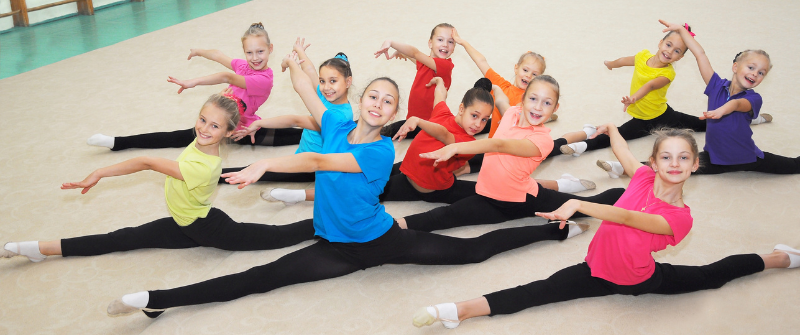 Does Dance Studio Insurance Cover Competition and Travel Teams?](https://blog.nexofit.com/does-dance-studio-insurance-cover-competition-and-travel-teams)
August 21, 2026
- [ Stretch Therapy vs. Personal Training: Does Your Insurance Change?](https://blog.nexofit.com/stretch-therapy-vs.-personal-training-does-your-insurance-change)
August 14, 2026
[](https://cta-redirect.hubspot.com/cta/redirect/8070281/90a7451b-c6df-4a06-adb6-20aae8015349)
#### Our Services
- [Gym And Studio Insurance Protection](https://www.nexofit.com/service/insurance-protection/)
- [Background Checks](https://www.backgroundsonline.com/nexo)
- [Free Injury Reporting](https://www.nexofit.com/service/free-injury-reporting/)
- [Insurance Renewal Reminder](https://resources.nexofit.com/insurance-renewal-reminder)
- [ISR Instructors](https://www.nexofit.com/service/isr-instructors)
- [Alternative Balance](https://nexofit.com/insurance/alternativebalance/)
- [Affinity Programs](https://nexofit.com/affinity-programs/)
#### Newsletter
Sign up for valuable information delivered to your email for additional help on protecting and growing your business.
#### About Us
We are a dedicated team of passionate individuals helping community-owned businesses with their biggest challenge - finding affordable and comprehensive insurance. With over 15 years in business, our clients know they are in good hands with us.
- [111 N. Sepulveda Blvd., Suite 325 Manhattan Beach, CA 90266](https://www.google.com/maps?q=111+N.+Sepulveda+Blvd.,+Suite+325+Manhattan+Beach,+CA+90266&um=1&ie=UTF-8&sa=X&ved=2ahUKEwiU_ffYx4nqAhXCu54KHQBKBr4Q_AUoAXoECAwQAw)
- [info@nexoins.com](mailto:info@nexoins.com)
- [310-937-2007](tel:3109372007)
© 2026 Nexo Fitness Solutions | All Rights Reserved
- [Privacy Policy](https://www.nexofit.com/privacy-policy/)
- [Terms of Service](https://www.nexofit.com/terms-of-service/)