The Low-Impact Myth
Pilates is often seen as a safe and gentle form of exercise. Movements are slow and controlled. There is no jumping, heavy lifting, or fast pace. As a result, many studio owners believe Pilates carries very little risk.
That belief makes sense, but it is incomplete.
Low impact on the body does not always mean low risk for the business. Many Pilates studio owners associate safety solely with physical force. They often overlook how injuries develop, how decisions are made in class, and how expectations can lead to disputes.
This is where the gap between impact and liability appears. Physical impact and legal exposure are not the same thing. A fitness class can feel calm and controlled, yet still result in claims, complaints, or legal action. When that happens, owners are often surprised by what their insurance does not cover.
Understanding this disconnect is key to managing Pilates studio liability today.
Low Impact Does Not Mean Low Injury
Low impact means less stress on joints during movement. It does not mean the body cannot get hurt. In Pilates, injuries often build slowly. Clients may feel fine during class and notice pain days later. That delay can make it harder to explain what happened.
Overuse injuries, joint strain, and muscle pain are common examples. These issues often come from repetition, not sudden force. When clients come back after being away, pregnant, or recovering from injuries, their bodies might react unpredictably.
From a business view, slow injuries still matter. Clients may believe the instructor should have adjusted the class or offered more support. Even when the studio feels it has acted appropriately, disagreements can follow.
This is a common issue in low-impact fitness, where injury risk is higher. The absence of impact does not remove responsibility.
Instructor Judgment Is a Major Liability Factor
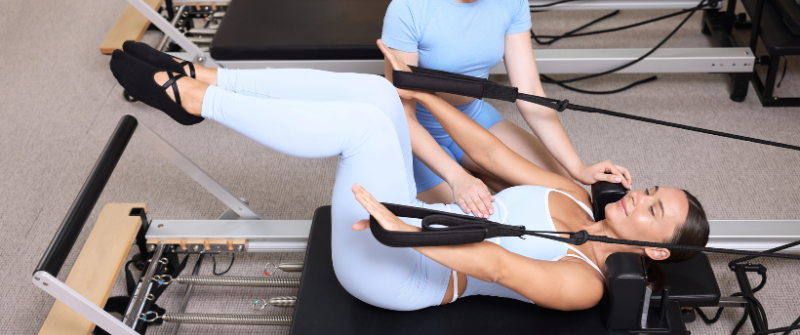
Much of Pilates relies on the instructor's guidance. Teachers tell students when to move, suggest changes, and sometimes use hands-on judgment. These moments add value but also carry risks.
Teachers need to make numerous quick decisions during class. They decide when to push, when to change, and how much feedback to give. Sometimes a cue intended to help can hurt a joint. A hands-on correction can feel unsafe if the client doesn't know what to expect.
Injuries and health issues often cause problems. Little changes can have big effects. When things go wrong, questions come up. Was the change correct? Did it seem like you agreed? Did the teacher stay at their job?
These questions are central to Pilates instructors' liability because general fitness policies often don't adequately cover them.
Also Read: Top Insurance Claims Pilates Studio Owners Should Be Aware Of
Reformer Equipment Changes the Risk Profile
Reformer Pilates adds another layer of risk. Reformers include springs, straps, pulleys, and moving platforms. These parts create resistance and motion that must be controlled.
There are two main concerns. First, there is misuse. Clients might move too quickly, set resistance incorrectly, or lose their balance when switching between exercises. Second is wear and tear on the equipment. Over time, springs get longer. Straps get weaker. If you don't take care of them, carriages can get stuck.
Even with regular checks, equipment issues can happen. When they do, claims may focus on whether the studio properly maintained the reformer.
As a result, Reformer Pilates injury claims differ from mat-only complaints. Studios with reformers face different exposure, yet many owners do not realize their policy treats them the same.
This gap is common in Pilates studio insurance.
Client Demographics Increase Complexity
Pilates attracts many types of clients. People with chronic pain, older adults, and people who have just finished rehab often choose Pilates because it is slow and steady. This variety is beneficial, but it also means more responsibility.
Some people do Pilates after their physical therapy is over. Some people think it can help with long-term pain. Even when teachers are careful, these expectations can be too unrealistic.
Problems start when clients expect medical results from fitness instruction. Instructors may stay within their training, yet still be blamed if pain increases. Clients may not fully understand Pilates' limits.
This mismatch between expectations and scope is a quiet driver of risk management challenges in fitness studios.
Also Read: Pilates Injuries Are Increasing: What Studio Owners Can Do to Stay Protected
Waivers Don’t Protect Against Everything
Waivers are essential, but they are not a cure-all. Many studio owners believe a signed waiver ends their risk. That is not how courts usually see it.
A waiver means a client has agreed to assume some risk. It doesn't make unsafe teaching, bad maintenance, or actions that aren't part of an instructor's job okay. It also doesn't stop someone from filing a claim.
Even if a studio ultimately prevails, legal fees can still add up. Many owners only learn this after something bad happens.
Waivers work best when used with appropriate coverage and clear studio policies. They don't protect Pilates studios from liability on their own.
Staffing and Classification Risks
As studios grow, staffing becomes more complex. Many start with independent contractors and later add employees. Each option affects insurance differently.
Misclassifying instructors can lead to coverage gaps. Instructors who teach at multiple studios raise more questions. If an incident happens, it may not be clear which policy applies.
Studios can also be held responsible for instructor decisions, even when instructors are experienced. This is called vicarious liability, and it surprises many owners.
These issues are common for growing studios and are often missed in boutique fitness insurance policies.
Claims Pilates Owners Don’t Expect
Not all claims result from movement-related injuries. Many come from everyday situations that owners don't consider when they think of Pilates.
- Medical events like fainting during class
- Slips or falls in hallways or bathrooms
- Disputes over who caused an injury
- Online complaints that turn into legal action
These events seem unrelated, but they all involve the studio. Owners often don't notice gaps until something goes wrong.
Why Generic Fitness Insurance Often Falls Short
Many insurance plans are designed for large gyms with open floors where people can work out independently. Boutique Pilates studios operate differently. Small-group training, hands-on teaching, and specialized equipment all affect the risk profile.
Generic policies might not cover reformer equipment, limit coverage for hands-on changes, or set claim limits that don't reflect today's costs. Studios believe they are covered until they read the fine print when making a claim.
This is where specialized coverage comes in handy. Insurance for functional and boutique fitness knows how Pilates studios really work, not how insurance companies want them to work.
Also Read: Why Pilates Studios Need Comprehensive Insurance
How Specialized Insurance Supports Studio Growth
The more studios grow, the more risk they take on. More classes mean more client interactions. Hiring teachers expands liability. Adding services like private rehab-style sessions or prenatal classes changes exposure again. It's better to proactively review coverage issues before these growth phases begin.
The right insurance helps businesses grow rather than just fix problems. NEXO works with studios that are scaling, hiring, and refining their offerings, helping owners align coverage with real operations.
This approach treats insurance as part of the business strategy, not a last-minute requirement.
Conclusion: Smart Studios Plan Beyond Impact Level
Pilates is low-impact, controlled, and planned, but it is not without risk. Studio owners can make smart plans when they know the difference.
The studios that can withstand the most damage are aware of exposure before a claim is filed. They choose coverage based on the instructor's assessment, equipment usage, and client complexity. They think of insurance as a way to protect their growth, reputation, and long-term stability.
This is the time for owners to take a closer look at whether their current policy really fits how their studio runs today.
If your studio has expanded, added reformers, or hired more staff, consider reviewing your coverage with NEXO. They're a partner who truly understands the unique risks of Pilates operations and can help safeguard your studio with long-term stability.

Recent Posts
-
 Expanding Your Personal Training Services? Review Your Insurance First
September 14, 2026
Expanding Your Personal Training Services? Review Your Insurance First
September 14, 2026 -
 One Fitness Business, Multiple Services: Does One Insurance Policy Cover Everything?
September 4, 2026
One Fitness Business, Multiple Services: Does One Insurance Policy Cover Everything?
September 4, 2026 -
 Can Martial Arts Schools Rent Their Space to Other Businesses?
September 2, 2026
Can Martial Arts Schools Rent Their Space to Other Businesses?
September 2, 2026 -
 Does Dance Studio Insurance Cover Competition and Travel Teams?
August 21, 2026
Does Dance Studio Insurance Cover Competition and Travel Teams?
August 21, 2026 -
 Stretch Therapy vs. Personal Training: Does Your Insurance Change?
August 14, 2026
Stretch Therapy vs. Personal Training: Does Your Insurance Change?
August 14, 2026