- by NEXO Team
- January 5, 2026
Why Pilates Studios Are Seeing More Injuries
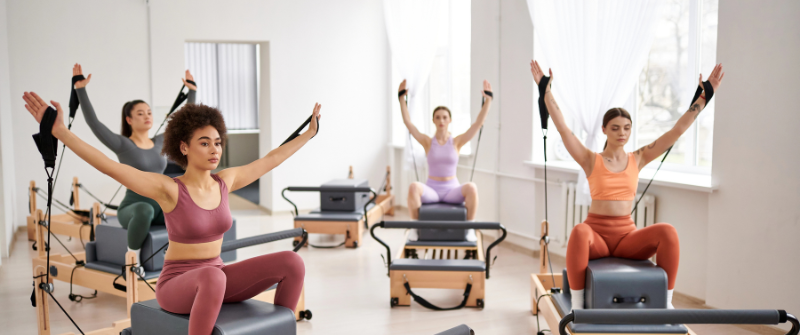
Pilates is having a massive moment. From professional athletes to retirees, more people than ever are heading to studios to build core strength and improve mobility. This surge in popularity is great for business, but it comes with a side effect that studio owners cannot ignore. There is a noticeable rise in injuries related to the practice.
As more people flock to reformer, tower, and chair classes, the conversation around safety is changing. Once rare injuries are becoming more common in daily studio life. While this might sound concerning, it is not a reason to panic. Instead, it is an opportunity to look at how we manage our spaces. By understanding why these injuries happen and taking proactive steps to prevent them, you can protect your members and ensure your business stays successful for years to come.
The Most Common Pilates-Related Injuries
To stop injuries before they happen, we first have to know what we are looking for. Most Pilates injuries fall into three main categories.
Overuse and Repetitive Stress
Even though Pilates is low-impact, repeating the same movements with poor form can take a toll. Instructors are seeing more shoulder strain from improper stabilization during weight-bearing exercises. Hip flexor and lower back irritation are also frequent, often caused by members trying to muscle through core work rather than using the right muscles. Even wrists and elbows can become sore if a student is not taught how to distribute their weight properly on the equipment.
Equipment-Related Accidents
The reformer is a powerful tool, but it requires respect. Many injuries happen during transitions. This includes getting on or off the machine or switching between exercises. If a student uses the wrong spring tension, the carriage might move faster or slower than they expect. This leads to muscle pulls or falls. Something as simple as a foot slipping off a bar can cause a sudden, jarring movement that leads to a claim.
The Challenge of Mixed Levels
In a perfect world, every class would be perfectly leveled. In reality, beginners often end up in intermediate classes. When a new student feels pressured to keep pace with a veteran, they often sacrifice form for speed. As they get tired toward the end of a session, that poor form turns into a tweak or a tear.
Why Injuries Are on the Rise
Several industry trends are converging, and together they increase the likelihood of injury if studios are not proactive.
- Rapid growth has shortened instructor training and mentorship
- The rise of high-intensity Pilates increases risk with faster moves and heavier weights
- Social media prompts members to try advanced moves prematurely
- A shortage of experienced teachers hampers early correction of poor form
Members arrive motivated, but sometimes with unrealistic expectations about what their bodies should be doing; when aesthetics takes priority over function, injury risk increases.
Practical Steps to Reduce Risk
The good news is that most of these risks are manageable. It starts with how you structure your daily operations.
Refine Your Class Programming
If you do not already have clear Foundations classes, now is the time to start. Creating a mandatory intro session for equipment classes ensures everyone knows how to handle a reformer safely. Keeping equipment class sizes small also allows instructors to give the individual attention needed to catch form errors early.
Invest in Your Team
Your instructors are your first line of defense. Encourage continuing education that focuses on anatomy and modifications. Establish clear cueing standards for your studio so every teacher knows how to safely talk a student out of a dangerous position.
Prioritize Equipment Maintenance
A loose bolt or a worn-out spring is a liability waiting to happen. Create a weekly checklist for your team to inspect every machine. Beyond maintenance, ensure there is clear signage in the studio reminding students not to adjust the springs without help.
Also Read: Why Pilates Studios Need Comprehensive Insurance
Policies That Protect Everyone
Strong policies protect people first, but they also protect the business.
Intake forms and health screenings provide valuable context. Understanding past injuries, pregnancies, or mobility limitations allows instructors to coach more responsibly from the start. These conversations also set expectations that Pilates is individualized, not one-size-fits-all.
Clear communication keeps members engaged without pushing them too far. Studios that openly encourage rest, modifications, and self-awareness foster a culture where safety is the norm. Members are more likely to speak up early, before discomfort turns into injury.
Incident reporting protocols are another essential tool. Documenting what happened, when it happened, and how it was addressed creates clarity. Early reporting allows studios to respond quickly and reduces confusion if questions arise later.
How Insurance Carriers View Your Studio
When you apply for insurance, carriers assess your risk profile. They want to know if you have a safety plan in place, what your instructor credentials look like, and how you handle equipment maintenance.
Generic fitness insurance often treats a Pilates studio like a standard gym. However, the risks in a reformer studio differ significantly from those in a weight room. This is why specialized coverage is so important. Insurance providers can help Pilates studios align their actual daily safety practices with their coverage requirements.
Studios working with fitness-focused insurers like NEXO can find that their provider understands the specific nuances of boutique fitness. They look beyond basic policies to guide the running of a safer operation. Because they focus on the fitness industry, they know that a studio with high safety standards is a better partner for an insurance carrier.
Aligning Safety With Coverage
Smart injury prevention does more than just keep members happy. It strengthens your business. When you have a solid prevention plan, you are less likely to face the claims that can drive up insurance costs or lead to a loss of coverage.
Proactive studios often see fewer disruptions. A single major injury claim can take months of your time and damage your reputation. By working with partners like NEXO, you can ensure your liability exposure is minimized before a claim ever occurs. This allows you to focus on growth rather than damage control.
Also Read: Top 6 Tips for Handling Pilates Studio Business Liability Claims
Why Pilates Studios Benefit From Specialized Insurance
A standard business policy might cover someone tripping in your lobby, but it may not cover a specific injury during a session. Specialized insurance for Pilates studios covers several key areas:
- Professional liability protects instructors from claims related to their teaching or cues.
- General liability covers accidents and injuries that occur within your studio.
- Equipment coverage protects your investment in reformers, towers, and chairs.
- Business interruption insurance helps cover lost income after a covered incident.
Insurance providers such as NEXO help Pilates studios customize their coverage. You should not have to pay for unnecessary add-ons that apply to big box gyms. At the same time, you should not have gaps that leave you vulnerable. Specialized partners help you stay compliant as your studio grows.
Also Read: Pilates Studio Liability Insurance
Safer Studios Build Stronger Communities
At the end of the day, Pilates remains one of the most effective ways to train the human body. Rising injury rates are a sign of the industry's growth, not its failure.
By treating injury prevention as a core part of your business, you build a studio where members feel safe, and instructors feel supported. Studios that plan, educate their staff, and protect themselves with the right partners are the ones that thrive over the long term.
Protecting your studio is not just about avoiding a lawsuit. It is about preserving the community you have worked so hard to build.
If you own or manage a Pilates studio, now is the time to review your safety practices and insurance coverage. Make sure your policies reflect how your studio actually operates today. Contact NEXO and ensure your studio is protected, prepared, and positioned to grow with confidence.
Categories
Fill out a short form to contact us with your questions or to receive a customized quote.
Recent Posts
-
 Expanding Your Personal Training Services? Review Your Insurance First
September 14, 2026
Expanding Your Personal Training Services? Review Your Insurance First
September 14, 2026 -
 One Fitness Business, Multiple Services: Does One Insurance Policy Cover Everything?
September 4, 2026
One Fitness Business, Multiple Services: Does One Insurance Policy Cover Everything?
September 4, 2026 -
 Can Martial Arts Schools Rent Their Space to Other Businesses?
September 2, 2026
Can Martial Arts Schools Rent Their Space to Other Businesses?
September 2, 2026 -
 Does Dance Studio Insurance Cover Competition and Travel Teams?
August 21, 2026
Does Dance Studio Insurance Cover Competition and Travel Teams?
August 21, 2026 -
 Stretch Therapy vs. Personal Training: Does Your Insurance Change?
August 14, 2026
Stretch Therapy vs. Personal Training: Does Your Insurance Change?
August 14, 2026