---
title: NEXO Fitness Solutions Blog Articles and Resources | Coaching Insurance
description: Coaching Insurance | Everything you need to know about gym insurance and other fitness solutions.
---
[info@nexoins.com](mailto:info@nexoins.com)
[310-937-2007](tel:3109372007)
[Login](https://nexo-production.herokuapp.com/login)
- [About Us](https://www.nexofit.com/about-us/)
- Services
- [Gym & Studio Insurance Protection](https://www.nexofit.com/service/insurance-protection/)
- [Alternative Balance](https://nexofit.com/insurance/alternativebalance/)
- [Insurance for Infant Swimming Resource](https://www.nexofit.com/service/isr-instructors)
- [Marketing Services](https://www.nexofit.com/marketing-services/)
- [Background Checks](https://www.backgroundsonline.com/nexo)
- [Free Injury Reporting](https://www.nexofit.com/service/free-injury-reporting/)
- [Insurance Renewal Reminder](https://resources.nexofit.com/insurance-renewal-reminder)
- [Client Deals](https://app.nexofit.com/member-benefits)
- [Brokers](https://www.fitnessnexo.com/)
- [Affinity Programs](https://nexofit.com/affinity-programs/)
- Resources
- [Blog](https://blog.nexofit.com/)
- [Client Stories](https://blog.nexofit.com/client-stories)
- [Ebooks](https://resources.nexofit.com/ebooks)
- [Gym Insurance Podcast](https://resources.nexofit.com/it-depends-podcast-interviews-eric-reingen)
- [Fitness Insurance by NEXO](https://resources.nexofit.com/fitness-insurance-by-nexo-interview)
- [Business Insurance: What You Need To Know](https://www.nexofit.com/business-insurance-what-you-need-to-know/)
- [Claims Center](https://www.nexofit.com/claims-center/)
- [Contact](https://www.nexofit.com/contact-us/)
- [Support](https://support.nexofit.com/)
[Apply Today](https://resources.nexofit.com/fitness-wellness-and-isr-instructors-insurance-applications)
## NEXO Blog Articles and Resources
1. [Home](https://www.nexofit.com/)
2. NEXO Blog Articles and Resources
[](https://blog.nexofit.com/the-new-liability-landscape-for-fitness-business-owners)
- by [NEXO Team](https://blog.nexofit.com/author/nexo-team)
- May 25, 2026
#### [The New Liability Landscape for Fitness Business Owners](https://blog.nexofit.com/the-new-liability-landscape-for-fitness-business-owners)
## How Has the Liability in Fitness Changed
Fitness businesses are no longer one fixed model. Many gyms are now layered training environments where independent coaches, staff trainers, recovery services, and remote programs all operate under one roof. Memberships aren’t just about getting into regular classes anymore, and facilities need to accommodate\[...\]
[](https://blog.nexofit.com/the-rise-of-performance-based-classes-and-the-insurance-questions-they-raise)
- by [NEXO Team](https://blog.nexofit.com/author/nexo-team)
- May 18, 2026
#### [The Rise of Performance-Based Classes and the Insurance Questions They Raise](https://blog.nexofit.com/the-rise-of-performance-based-classes-and-the-insurance-questions-they-raise)
## What Performance-Based Classes Look Like Today
The fitness model has changed from a general approach to one that focuses more on performance tracking. Members aren’t just coming to work out for an hour anymore. They come to hit a number, beat a previous score, or finish a workout faster than last time. It has become an output-driven class, and that\[...\]
[](https://blog.nexofit.com/the-gray-area-between-coaching-and-spotting-in-high-intensity-training)
- by [NEXO Team](https://blog.nexofit.com/author/nexo-team)
- April 20, 2026
#### [The Gray Area Between Coaching and Spotting in High-Intensity Training](https://blog.nexofit.com/the-gray-area-between-coaching-and-spotting-in-high-intensity-training)
## Where Coaching Ends and Physical Responsibility Begins
Coaching often starts with observation. The coach watches how someone moves and offers tips to improve technique, posture, or pacing.
[](https://blog.nexofit.com/the-risk-behind-hands-on-correction-techniques)
- by [NEXO Team](https://blog.nexofit.com/author/nexo-team)
- April 7, 2026
#### [The Risk Behind “Hands-On” Correction Techniques](https://blog.nexofit.com/the-risk-behind-hands-on-correction-techniques)
## Why Hands-On Coaching Feels Necessary and Where It Gets Complicated
Coaches often use touch to help guide a client’s movement. For example, a trainer might adjust a shoulder during a press or reposition someone’s hips during a squat. Yoga and Pilates instructors also use light contact to help with posture or balance.
[](https://blog.nexofit.com/does-my-policy-cover-group-training-accidents)
- by [NEXO Team](https://blog.nexofit.com/author/nexo-team)
- February 25, 2026
#### [Does My Policy Cover Group Training Accidents?](https://blog.nexofit.com/does-my-policy-cover-group-training-accidents)
Group training runs smoothly most of the time. Classes move, members rotate through stations, and everyone leaves feeling accomplished. It’s easy to assume that if something goes wrong, insurance coverage is straightforward.
[](https://blog.nexofit.com/does-coaching-insurance-cover-emotional-distress-claims)
- by [NEXO Team](https://blog.nexofit.com/author/nexo-team)
- February 25, 2026
#### [Does Coaching Insurance Cover Emotional Distress Claims?](https://blog.nexofit.com/does-coaching-insurance-cover-emotional-distress-claims)
## Why Coaches Ask About Emotional Distress Claims
Coaching goes deep. Clients talk about work stress, relationship problems, burnout, and a lack of self-belief. Sessions can bring up strong feelings. That's normal in growth work.
## Posts navigation
##### Categories
- [Gym Insurance (89)](https://blog.nexofit.com/tag/gym-insurance)
- [Opening a Gym (34)](https://blog.nexofit.com/tag/opening-a-gym)
- [Martial Arts Insurance (32)](https://blog.nexofit.com/tag/martial-arts-insurance)
- [Functional Fitness (27)](https://blog.nexofit.com/tag/functional-fitness)
- [Gym Operations (24)](https://blog.nexofit.com/tag/gym-operations)
- [Dance Studio (20)](https://blog.nexofit.com/tag/dance-studio)
- [Martial Arts Gym (20)](https://blog.nexofit.com/tag/martial-arts-gym)
- [Pilates Studio (18)](https://blog.nexofit.com/tag/pilates-studio)
Fill out a short form to contact us with your questions or to receive a customized quote.
##### Recent Posts
- [ Expanding Your Personal Training Services? Review Your Insurance First](https://blog.nexofit.com/expanding-your-personal-training-services-review-your-insurance-first)
September 14, 2026
- [ One Fitness Business, Multiple Services: Does One Insurance Policy Cover Everything?](https://blog.nexofit.com/one-fitness-business-multiple-services-does-one-insurance-policy-cover-everything)
September 4, 2026
- [ Can Martial Arts Schools Rent Their Space to Other Businesses?](https://blog.nexofit.com/can-martial-arts-schools-rent-their-space-to-other-businesses)
September 2, 2026
- [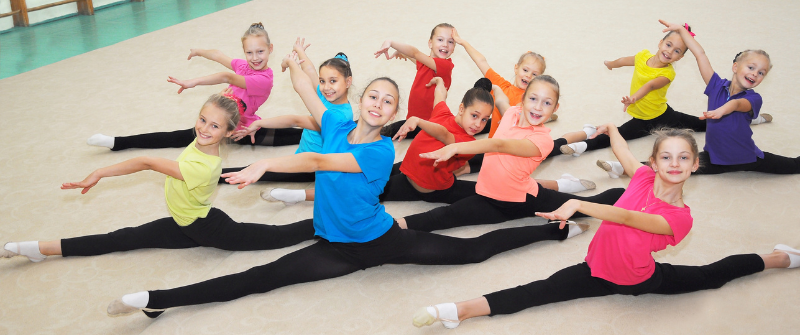 Does Dance Studio Insurance Cover Competition and Travel Teams?](https://blog.nexofit.com/does-dance-studio-insurance-cover-competition-and-travel-teams)
August 21, 2026
- [ Stretch Therapy vs. Personal Training: Does Your Insurance Change?](https://blog.nexofit.com/stretch-therapy-vs.-personal-training-does-your-insurance-change)
August 14, 2026
[](https://cta-redirect.hubspot.com/cta/redirect/8070281/90a7451b-c6df-4a06-adb6-20aae8015349)
#### Our Services
- [Gym And Studio Insurance Protection](https://www.nexofit.com/service/insurance-protection/)
- [Background Checks](https://www.backgroundsonline.com/nexo)
- [Free Injury Reporting](https://www.nexofit.com/service/free-injury-reporting/)
- [Insurance Renewal Reminder](https://resources.nexofit.com/insurance-renewal-reminder)
- [ISR Instructors](https://www.nexofit.com/service/isr-instructors)
- [Alternative Balance](https://nexofit.com/insurance/alternativebalance/)
- [Affinity Programs](https://nexofit.com/affinity-programs/)
#### Newsletter
Sign up for valuable information delivered to your email for additional help on protecting and growing your business.
#### About Us
We are a dedicated team of passionate individuals helping community-owned businesses with their biggest challenge - finding affordable and comprehensive insurance. With over 15 years in business, our clients know they are in good hands with us.
- [111 N. Sepulveda Blvd., Suite 325 Manhattan Beach, CA 90266](https://www.google.com/maps?q=111+N.+Sepulveda+Blvd.,+Suite+325+Manhattan+Beach,+CA+90266&um=1&ie=UTF-8&sa=X&ved=2ahUKEwiU_ffYx4nqAhXCu54KHQBKBr4Q_AUoAXoECAwQAw)
- [info@nexoins.com](mailto:info@nexoins.com)
- [310-937-2007](tel:3109372007)
© 2026 Nexo Fitness Solutions | All Rights Reserved
- [Privacy Policy](https://www.nexofit.com/privacy-policy/)
- [Terms of Service](https://www.nexofit.com/terms-of-service/)