Gyms are competing for attention more than ever. It’s no longer just about equipment or class schedules. Members have more choices, and they’re comparing experiences, not just workouts. Traditional group classes often follow a predictable format. Warm-up, main set, cooldown. While this structure works, it can start to feel repetitive over time. As a result, engagement can drop, even if the programming itself is solid.
What’s changing isn't just the workout plan, but also how the session feels from start to finish. Lighting, music, pacing, and group energy now shape the overall experience. Members are looking for something that keeps them interested and involved, not just physically active.
That shift is important. Retention is no longer driven by programming alone. It’s driven by how memorable and engaging the workout feels. Gyms that understand this are starting to rethink how they design classes, focusing just as much on atmosphere and delivery as they do on exercises.
Also Read: Creating Your Fitness Legacy: The Ultimate Guide to Building a Lasting Brand
Why Traditional Group Fitness Is Losing Engagement
Many traditional classes follow a predictable flow: warm-up, main set, cooldown. While that structure works, it removes any sense of surprise. Members quickly know what the session will feel like, which lowers excitement over time.
The bigger issue is how flat these classes can feel. Instructions are given, reps are counted, and the class ends without much impact. Members often don’t feel they can get as much from working out alone. Attendance then fades quietly. People miss a few sessions, then stop showing up, and eventually leave without saying much.
What Defines Rave-Style Fitness
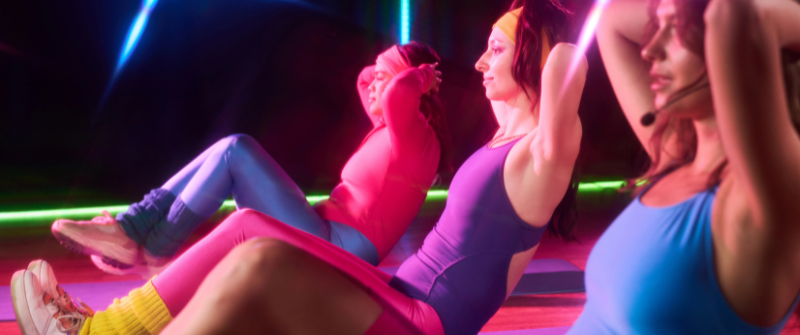
Rave-style fitness is built around DJ-led sessions where music drives the pace of the workout. Instead of a fixed playlist, the sound evolves in real time, shaping how the class moves and feels. Lighting also has a crucial impact. Colors, intensity, and timing shift throughout the session to match energy levels and transitions.
The environment is designed to feel immersive. Darker rooms, visual effects, and group energy draw members into the experience and help them stay focused on the session. It’s not just about music. The combination of atmosphere and energy is what defines it and sets it apart from a typical class.
Why Experience Is Replacing Programming as the Focus
Programming still sets the foundation, but it’s no longer what people talk about after class. What stands out is the feeling they had while it was happening. Emotional engagement now plays a bigger role in whether someone returns. If a class feels exciting, supportive, or high-energy, it leaves a stronger impression than its structure.
Sensory details shape that experience. Music drives the pace, lighting sets the mood, and group energy builds momentum. The environment becomes part of the workout itself. Over time, operators see a pattern. Members rarely recall specific exercises. They remember how the class felt and whether they want to experience it again.
The Role of Music and Energy in Retention
Moving to a steady beat changes how effort feels. When movement lines up with the music, people often feel like they are working less hard, even though the intensity stays the same. This gap between real effort and perceived effort makes the session more enjoyable. It also explains why a longer rave-style class can feel shorter than a typical one.
When people enjoy a class, they are more likely to come back. Instead of debating whether to go, they start looking forward to it. That feeling is what drives consistency, and programming alone usually cannot create it.
Social Dynamics: Why People Stay Longer
A solo workout stays solo, even in a busy gym. Rave-style classes change that. Energy moves through the room, and members feel like they’re part of something shared, not just working out next to each other.
That shift affects retention. Progress still matters, but so does the sense of connection. When a class feels flat or disconnected, people lose interest, even if the training is solid. The group dynamic is no longer extra. It’s a key reason members come back.
Also Read: 8 Common Challenges Gym Operators Face
Where This Model Actually Works
This model works best in controlled settings where the experience is consistent.
- Boutique studios with dedicated rooms and proper sound infrastructure
- Spin and cycle studios, where synced movement already fits the format
- Niche spaces built around a single class type rather than open-floor training
A controlled environment is important because the experience relies on every part working together. One broken speaker or missed lighting cue, and the atmosphere collapses. Gym experience design in these spaces is closer to running a small venue than a fitness floor.
Where It Starts to Break Down
Many gym owners often underestimate how hard it is to run this kind of program well. A high-energy setup can hide weak coaching. Loud music and moving lights make it easier to miss poor form or a lack of structure. The experience can carry the class for a while, but members who want real progress eventually leave. What’s left is a fun class that doesn’t build much over time.
There is also a risk in leaning too much on atmosphere. A strong DJ cannot replace coaching skills. Instructors still need to guide beginners and catch signs of overexertion. This gap becomes more obvious in larger gyms that add these classes without improving coaching standards.
The Shift in Member Expectations
After members try a class focused on atmosphere, they're less interested in basic formats. A regular step class or a simple strength circuit can feel outdated, even if the workout is good. The standard for what feels engaging has changed, and gyms that don't adapt often see their traditional classes empty out first.
Members compare every class to the most exciting one they've tried lately, not to the average. A class that seemed great five years ago can feel boring now, even if nothing about it has changed.
Operational Changes Behind the Scenes
Running these classes takes more than a playlist. Lighting needs upkeep, sound systems need tuning, and instructors have to coach while managing the room’s energy. Scheduling is also tighter since the space needs to be set up and reset after each use.
Staffing can change, too. Some classes need a DJ or tech support, especially during busy hours. These add real costs, and the setup is more complex than it looks. Without planning, gyms risk staff burnout or a weaker overall experience.
Where Risk Quietly Increases
This is where it gets practical. Lower lighting makes it harder to see form. Loud music makes it harder to give and hear cues. High energy can push members past their limits without them noticing. This shifts how gyms approach risk management.
Fitness class liability in these settings deserves a fresh look:
- Slip risks rise with fog or sweat in dim lighting
- Incident documentation gets harder when staff can't easily see what happened
- Group fitness safety protocols built for bright, quiet rooms don't always translate
Operators should review whether their fitness insurance coverage reflects how their classes actually run today.
Why This Trend Isn't Going Away
Younger members have grown up expecting experiences. They look for interaction, atmosphere, and a social side in almost everything they pay for. Fitness is just now meeting that expectation. As long as people value shared experiences, this format will continue to grow.
What appears trendy now will seem outdated in a few years as new trends raise the standards. Gym owners who dismiss this as just a temporary fad will be caught off guard when the next evolution arrives, since the push to create memorable experiences isn't slowing.
What This Means for Gym Owners
The real choice isn't whether to follow this trend, but whether to ignore changing expectations or respond thoughtfully. Keeping members now means considering emotional and social factors, not just the workout plan. Adding lights and a DJ without improving the structure underneath is a shortcut that usually fails after a season or two.
Gyms that do this well treat experience and structure as equally important. They invest in atmosphere, coaching, safety, and good operations. Gyms that focus only on one side tend to lose either members who want a great experience or those who want real results.
Also Read: Where Fitness Trends Create New Insurance Gaps
Final Perspective
Fitness is shifting from routine to experience. Classes are no longer just about completing a workout. They are about how the session feels, how members connect, and how engaged they stay. This change creates new opportunities, but it also raises the bar for gym owners.
Long-term success depends on balance. Energy and atmosphere can bring people in, but structure and coaching keep them progressing safely. Experience and control need to work together, not compete.
If you are running or planning high-energy classes, take time to review how they are structured, supervised, and supported. Book a coverage review with NEXO to help you align your setup with real-world risks and long-term growth.

Recent Posts
-
 Expanding Your Personal Training Services? Review Your Insurance First
September 14, 2026
Expanding Your Personal Training Services? Review Your Insurance First
September 14, 2026 -
 One Fitness Business, Multiple Services: Does One Insurance Policy Cover Everything?
September 4, 2026
One Fitness Business, Multiple Services: Does One Insurance Policy Cover Everything?
September 4, 2026 -
 Can Martial Arts Schools Rent Their Space to Other Businesses?
September 2, 2026
Can Martial Arts Schools Rent Their Space to Other Businesses?
September 2, 2026 -
 Does Dance Studio Insurance Cover Competition and Travel Teams?
August 21, 2026
Does Dance Studio Insurance Cover Competition and Travel Teams?
August 21, 2026 -
 Stretch Therapy vs. Personal Training: Does Your Insurance Change?
August 14, 2026
Stretch Therapy vs. Personal Training: Does Your Insurance Change?
August 14, 2026