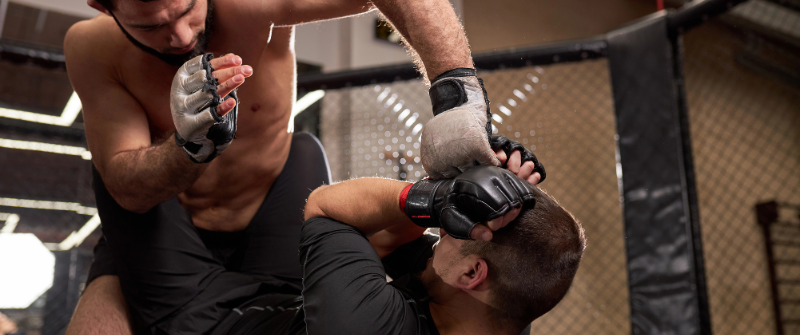
Hosting a Jiu-Jitsu tournament or martial arts event can powerfully elevate your brand, showcase incredible talent, and build a thriving community. However, as the organizer, you instantly introduce a complicated network of liability risks. These events are high-contact, involve large crowds, and frequently use temporary venues, a recipe for potential hazards.
Event organizers often underestimate their exposure, assuming their regular gym or academy insurance policy provides adequate protection. This is a grave error. In many cases, standard coverage doesn’t extend to off-site, competitive events, leaving you dangerously exposed to financial and legal disaster.
NEXO helps martial arts professionals proactively manage event liability, protect participants, and avoid costly claims that can cripple an organization.
The Unique Risk Profile of Martial Arts Events
Martial arts events, especially dynamic competitions like jiu-jitsu tournaments, operate with a heightened risk profile. You are managing a mix of high-contact sports, live spectators, multiple vendors, and temporary equipment setups, all of which are potential sources of injury or damage.
Common exposures at tournaments:
- Participant Injuries: The most obvious risk. Competitors are actively engaging in high-intensity combat, leading to potential injuries ranging from minor sprains to severe fractures. This risk demands specialized jiu-jitsu tournament insurance.
- Slip-and-Fall Accidents: Spectators, coaches, and volunteers are navigating crowded walkways, concession areas, and bleachers. A spill or an improperly secured mat edge can lead to a serious liability claim.
- Equipment Malfunction or Mat Hazards: Temporary mat setups, faulty scoring systems, or unsecured barriers pose a threat to both athletes and staff.
- Vendor or Sponsor Disputes: Issues arising from third-party operations, such as food poisoning from a concession stand or damage caused by a vendor’s booth setup.
- Damage to Rented Event Facilities: Organizers are often responsible for any damage to the host facility, whether it’s a public school, a community center, or a private arena.
Each of these scenarios requires specific coverage, going well beyond a simple standard gym policy. You need comprehensive sports liability insurance tailored to the specific nature of competitive martial arts.
Also Read: Rolling Safely: The Ultimate Guide to Fitness Insurance for Jiu Jitsu Practitioners
Why Regular Gym Insurance Isn’t Enough
Standard martial arts facility policies are designed to cover activities on the insured premises and within the scope of regular operations. They are not designed for large-scale, off-site, or competitive events.
Events often require additional or separate event insurance, especially when:
- Held in Rented Arenas or Schools: Your gym policy stops at your front door. An off-site venue requires coverage that follows the event.
- Involve Third-Party Vendors or Sponsors: These external groups introduce new elements of risk that must be covered or their coverage verified.
- Include Competitors from Multiple Organizations: The sheer number of non-member participants increases the organizer’s overall exposure.
Host facilities, such as school districts, private venues, and municipalities, will always require a certificate of insurance listing them as an “additional insured.” Failure to provide appropriate martial arts liability coverage will lead to contract breaches or worse, denied claims if an incident occurs at their location.
Core Coverages Every Tournament Needs
General Liability Insurance
This is the basics. It covers claims of bodily injury or property damage to spectators, staff, and facility property. It must include athletic participant coverage for the competitors. This is often excluded in standard liability policies, making specialized liability insurance for jiu-jitsu tournaments necessary.
Event-Specific Coverage (Special Event Insurance)
This specific coverage is designed to protect organizers solely for the duration of the tournament or seminar. It includes the risk period—setup, event days, and teardown.
Professional Liability Coverage
This protects referees, judges, instructors, and staff from claims of negligence, improper supervision, or poor officiating decisions that allegedly result in injury.
Accident Medical Coverage
This provides immediate financial protection for injured athletes, covering their medical expenses regardless of fault. This coverage is invaluable, as it often reduces the likelihood that an athlete will resort to a legal claim to cover their medical bills.
Equipment and Property Coverage
Covers rented mats, scoring systems, barriers, tables, or other important gear damaged during the event.
Liquor or Vendor Liability (if applicable)
If you or partner vendors serve food or alcohol, specialized liability is required to cover those specific exposures.
Common Liability Pitfalls for Martial Arts Events
Ignoring or underestimating these common mistakes can instantly void your protection, turning a minor incident into a financial crisis.
- Uninsured Participants: Allowing walk-ins or late registrants without properly signed and documented waivers.
- Improper Waiver Language: Using general gym waivers that don’t specifically mention competition, high-contact risks, or off-site events.
- Facility Damage Without Coverage: Forgetting that host venues can (and will) hold organizers responsible for repairs to their property.
- Independent Contractors Not Covered: Referees, judges, and event staff operating under personal contracts but uninsured by the event organizer or lacking their own coverage.
- Incomplete Certificates of Insurance: Missing additional insured names, incorrect dates, or insufficient policy limits required by the venue.
- Vendor Oversight: Failing to verify your vendors’ own insurance for their booths or sponsorship activations.
Understanding Participant Waivers and Legal Protection
Every competitor, coach, and volunteer should sign a properly worded waiver specific to the event.
A strong waiver should include:
- Acknowledgment of Risk: Explicitly stating the inherent dangers of martial arts competition.
- Release of Liability: Stating that the participant agrees not to sue the organizer for injuries.
- Indemnification Clause: A promise by the participant to hold the organizer harmless if a third party sues over the participant’s actions.
- Clear Event-Specific Details: The specific date, location, and nature of the activity.
Stress that generic or recycled waivers often fail to hold up legally. The courts closely examine the clarity and specificity of the language. To ensure you have the best insurance coverage for martial arts tournaments, both contractual and policy-based, consult an attorney familiar with martial arts or sports law to draft custom waiver language.
Managing Risk Before and During the Event
Insurance is an important safety net, but effective risk management reduces the likelihood of needing it.
Before the Event:
- Conduct a careful venue safety inspection (mats, walkways, spectator areas).
- Require proof of insurance from all vendors, sponsors, and subcontractors.
- Verify all medical personnel, referees, and volunteers are appropriately credentialed and briefed.
During the Event:
- Maintain clear signage, traffic flow, and supervision in all areas.
- Have a documented, well-communicated emergency plan in case of injury or critical incident.
- Use event checklists for daily inspections of mats and safety equipment.
After the Event:
- File detailed incident reports for any injuries or property damage, even minor ones.
- Retain all participant waivers and insurance certificates for at least two years.
How Proper Coverage Saves More Than Money
Investing in the right way to insure martial arts competitions strategy pays dividends that extend beyond premium costs.
- Protects Your Reputation: Quickly handling claims through insurance protects your brand trust and professionalism within the martial arts community.
- Reduces Out-of-Pocket Expenses: Avoid crippling costs for medical payments or legal fees following a claim.
- Satisfies Venue Requirements: Provides that you meet all host facility and vendor requirements without last-minute stress.
- Shows Professionalism: Competitors and parents respect an organizer who prioritizes safety and security, building long-term loyalty.
Also Read: Are You Personally Liable? What Every Jiu-Jitsu Instructor Should Know
How NEXO Helps Martial Arts Event Organizers Stay Protected
NEXO practices in coverage for combat sports and high-contact fitness, making us the ideal partner for your next event. We understand the high-risk, high-reward environment of martial arts competitions.
Key advantages of choosing NEXO:
- Event-Specific and Multi-Day Tournament Policies: Coverage tailored to your event schedule and needs.
- Built-in Participant Accident Coverage: Policies designed with the necessity of athlete medical protection in mind.
- Quick Online Certificates: Expedited COI issuance to satisfy venues and sponsors.
- Custom Guidance: Expert support for martial arts schools transitioning from facility operation into event hosting.
With NEXO, organizers gain both the peace of mind and the flexibility needed to grow their events responsibly, backed by comprehensive best insurance for martial arts tournaments.
Conclusion
Martial arts events can only truly succeed when protected by smart, complete coverage. Ignoring the need for specialized martial arts event insurance is an unnecessary gamble with your personal assets and the future of your organization. Before hosting your next tournament, seminar, or competition, take the time to review your current insurance policy, assess your liability exposure, and speak to a specialist.
Are you planning your next tournament? Contact NEXO today to get a quote on the specialized martial arts event insurance you need.

Recent Posts
-
 Expanding Your Personal Training Services? Review Your Insurance First
September 14, 2026
Expanding Your Personal Training Services? Review Your Insurance First
September 14, 2026 -
 One Fitness Business, Multiple Services: Does One Insurance Policy Cover Everything?
September 4, 2026
One Fitness Business, Multiple Services: Does One Insurance Policy Cover Everything?
September 4, 2026 -
 Can Martial Arts Schools Rent Their Space to Other Businesses?
September 2, 2026
Can Martial Arts Schools Rent Their Space to Other Businesses?
September 2, 2026 -
 Does Dance Studio Insurance Cover Competition and Travel Teams?
August 21, 2026
Does Dance Studio Insurance Cover Competition and Travel Teams?
August 21, 2026 -
 Stretch Therapy vs. Personal Training: Does Your Insurance Change?
August 14, 2026
Stretch Therapy vs. Personal Training: Does Your Insurance Change?
August 14, 2026