- by NEXO Team
- January 5, 2026
Why Emergency Preparedness Matters in Pilates Studios
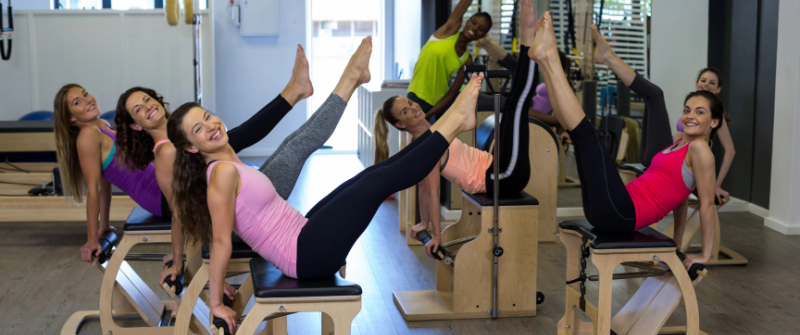
Pilates studios are often regarded as peaceful retreats, emphasizing controlled movements, mental focus, and gentle exercise. Since Pilates prioritizes control rather than power, many owners assume that medical emergencies are unlikely. With only quiet breathing audible in the background, a serious emergency can seem unimaginable.
However, the perception of Pilates as "low risk" can be misleading. Low-impact does not mean risk-free. The calm environment might actually be a disadvantage; it could slow response times if staff are not trained to recognize early warning signs. Being prepared isn't about being alarmist. Instead, it demonstrates professionalism and helps protect your clients, staff, and the business you've built.
Many owners overlook a hidden liability gap: assuming that a signed waiver covers everything. While waivers are important, they do not absolve a studio from its duty of care. If a medical emergency happens in a fitness studio and the staff is unprepared to respond, the business remains highly vulnerable. True emergency readiness for fitness studios closes this gap by ensuring that a professional level of care is provided every time a client walks through the door.
Common Medical Emergencies That Can Occur in Pilates Studios
Even in the best classes, the body can react unexpectedly. Exercise can reveal hidden health issues. Just because clients aren't lifting heavy weights doesn't mean their hearts or lungs aren't working hard.
- Dizziness, Fainting, or Syncope: This is the most common incident. Moving from lying on a reformer to standing quickly can cause a drop in blood pressure.
- Cardiac Events: Pilates attracts people of all ages, including seniors. Heart palpitations or chest pain can occur during exertion, even when the movement seems gentle.
- Asthma and Breathing Difficulties: Breathing problems can be triggered by temperature changes or the effort of deep core breathing.
- Musculoskeletal Injuries: An unexpected muscle tear or a slip while getting onto equipment can require immediate medical help.
- Pregnancy and Chronic Conditions: Clients with diabetes may have sudden blood sugar drops, and pregnant clients may experience sudden distress.
Why Pilates Studios Are Not Immune to Risk
Reasons unique to Pilates can make emergencies harder to manage without a plan in place. You likely have a wide range of clients, from elite athletes to seniors recovering from surgery. This variety increases the chances of a medical event.
- Private Session Limitations: In a one-on-one session, the instructor is focused entirely on the client’s form. They might miss the minor signals of a stroke or heart attack because they are looking at the client’s feet or spine.
- Solo Operator Constraints: Many studios run without a front-desk person. If an emergency happens, one instructor must help the victim.
- Fall Risk: Using sliding carriages and springs can be unstable. A simple slip can lead to a head injury that requires professional care.
What Insurance Carriers Expect From Pilates Studios
When a carrier evaluates a studio, they look for a culture of safety, expecting risk to be treated as a serious business concern.
Underwriters prefer studios with documented emergency plans, which can often lead to better rates due to a perception of lower risk. Legally, there is a duty of care to ensure client safety; if an accident occurs and staff are not properly trained, fitness liability insurance might not fully shield against lawsuits.
Specialized partners like NEXO understand the unique safety requirements of Pilates studios, recognizing that safety considerations differ from those of a standard gym. Following their advice demonstrates responsibility and professionalism, making the studio more attractive to insurance providers.
Also Read: The 6 Biggest Issues Pilates Studios Face And How to Fix Them
Essential Elements of a Medical Emergency Plan
A professional Emergency Action Plan (EAP) should be a simple, one-page guide. It should not be hidden in a drawer. Every person with a key to your studio should know it by heart.
- Explicit Procedures: A simple guide on what to do the moment a client feels ill.
- Defined Staff Roles: Decide in advance who will stay with the client and who will call for help.
- EMS Coordination: Know who will meet the ambulance at the door and guide them in.
- Incident Documentation: Use a standard form to write down exactly what happened. This is vital for insurance and legal records.
- Emergency Contacts: Keep client phone numbers in a place that is easy to reach, even if your computer is off.
Training Your Instructors and Staff
Your instructors are your first line of defense. Their training should cover more than teaching exercises. CPR and First Aid certifications are essential, but they are just the start.
Staff should learn to notice early warning signs, like a client turning pale, sweating a lot, or acting confused. Spotting these signs early can prevent a medical emergency from worsening.
It is also important to know the scope of practice. Instructors are there to stabilize the client and call for help, not act as doctors. Regular dry runs or drills are the best way to keep these skills sharp. When everyone knows the plan, they can stay calm during a real crisis.
Equipment, Environment, and Studio Setup
The way you set up your studio can change the outcome of an emergency. A professional floor plan leaves enough space for medical teams to work. Clear walkways are a safety requirement and reduce pilates instructor liability.
- AED Availability: An Automated External Defibrillator (AED) should be centrally located and checked monthly.
- Emergency Signage: Exits must be clear and easy to see. Never block them with retail racks or extra mats.
- First Aid Access: Keep a fully stocked kit in a place that each staff member can find quickly.
- Equipment Spacing: Ensure there is enough space between reformers for a stretcher to pass through.
Physical safety is about more than just avoiding trips and falls. It is about accessibility. If a client has a serious medical emergency in a fitness studio, every second counts. If paramedics have to move heavy equipment or weave through a crowded room to reach a person in distress, valuable time is lost.
Maintaining a clean, open layout demonstrates a commitment to studio safety and professional standards over maximizing occupancy. This careful attention to detail greatly reduces risk and creates a safer environment for everyone.
How Preparedness Reduces Liability and Protects Your Business
Investing in emergency preparedness for fitness studios is the best way to protect your life's work. A fast response leads to better health results. When a client gets help quickly, they are less likely to file a lawsuit later.
Having a plan demonstrates that negligence was not present. In court, evidence of a solid plan and trained staff serves as a strong defense. This safeguards both finances and reputation. In today's environment, a single incident can tarnish a studio's name. Being prepared enables calm and skillful handling of difficult situations.
Also Read: Protecting Your Pilates Studio: Key Insurance Tips
How the Right Insurance Partner Supports Preparedness
Insurance providers should support growth rather than simply selling policies and leaving. Companies like NEXO help understand the unique risks associated with Pilates studios.
- Specialized Understanding: They know that studio safety requires a different plan than a weightlifting gym.
- Risk Guidance: They provide tools to help you lower your risk profile, like better intake forms or maintenance checklists.
- Aligned Coverage: They make sure your policy actually covers the equipment and movements you use every day.
- Business Support: They help you build a stronger business by making safety a core part of your brand.
Working with NEXO means not just purchasing a policy; it involves acquiring a resource that understands Pilates instructor liability and the mechanics of a reformer. This specialized knowledge guarantees solid coverage in the event of a medical emergency in a fitness studio, supported by industry experts to ensure an appropriate response. Such support allows focus on clients, with confidence that the foundation of the business is secure.
Conclusion: Prepared Studios Are Stronger Studios
Being prepared for emergencies does not mean your studio is unsafe. It shows you are professional and care about your clients' safety as much as your own success. Making a plan now helps you stay ahead rather than just react. Take some time in the coming days to review your studio with emergency preparedness in mind. Check your exits, inspect your first aid kit, and talk with your staff.
Make sure your insurance is managed by a partner like NEXO who understands your needs. When you are ready for the unexpected, you can concentrate on what matters most: helping your clients move and feel better.
Contact the team at NEXO today to review your current coverage and discover how you can build a safer, more stable studio for the long term.
Categories
Fill out a short form to contact us with your questions or to receive a customized quote.
Recent Posts
-
 Expanding Your Personal Training Services? Review Your Insurance First
September 14, 2026
Expanding Your Personal Training Services? Review Your Insurance First
September 14, 2026 -
 One Fitness Business, Multiple Services: Does One Insurance Policy Cover Everything?
September 4, 2026
One Fitness Business, Multiple Services: Does One Insurance Policy Cover Everything?
September 4, 2026 -
 Can Martial Arts Schools Rent Their Space to Other Businesses?
September 2, 2026
Can Martial Arts Schools Rent Their Space to Other Businesses?
September 2, 2026 -
 Does Dance Studio Insurance Cover Competition and Travel Teams?
August 21, 2026
Does Dance Studio Insurance Cover Competition and Travel Teams?
August 21, 2026 -
 Stretch Therapy vs. Personal Training: Does Your Insurance Change?
August 14, 2026
Stretch Therapy vs. Personal Training: Does Your Insurance Change?
August 14, 2026