- by NEXO Team
- January 5, 2026
Why Jiu-Jitsu Schools Carry More Risk Than They Realize
Brazilian Jiu-Jitsu has grown rapidly over the past 10 years. More schools are opening, more gyms are adding grappling classes, and more people are trying the sport for the first time. This growth is great for the sport, but it also brings new challenges for owners.
Jiu-Jitsu schools face more risks than regular gyms. This is not because the environment is unsafe, but because the sport operates as it does. The constant close contact, live resistance, and unpredictable movements create liability issues that standard gym insurance often does not cover.
Most insurance policies are designed for treadmills, spin bikes, and group fitness classes. They usually do not match what really happens in a BJJ academy.
This article explains why the risks are higher and outlines clear steps for academy owners to manage them and protect their businesses with confidence.
Jiu-Jitsu Is Fundamentally Different From Other Fitness Businesses
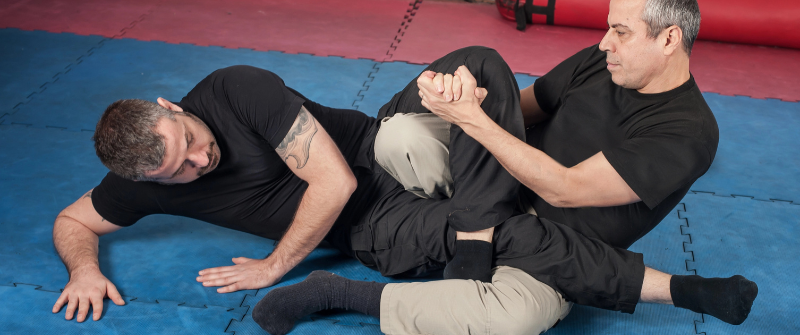
The biggest difference between a jiu-jitsu school and a regular gym is how much contact there is. In BJJ, physical contact occurs frequently and is a key part of training.
Every class involves:
- Resistance from another person
- Pressure on joints and muscles
- Unpredictable reactions and counters
Live sparring is a fundamental part of training, not just an optional activity. Even during drills, there can be force, loss of balance, and sudden movements. These elements matter because liability increases when people interact directly. People move in ways that machines do not, which adds to the risk.
Even a small mistake, a size difference, or a timing error can lead to injury, even in a well-run class. This is why martial arts liability is treated differently from regular gym risks. The type of activity changes what insurance will cover.
Common Injuries That Increase Liability Exposure
Most BJJ injuries are not serious, but how often they occur is important to insurance companies. It involves:
- Knee, shoulder, elbow, and finger injuries
- Neck and spinal strain
- Accidental impacts during takedowns or scrambles
Kids and beginners have extra risks. New students might not know how to fall, tap out early, or control their strength. Children are still growing, so they need even closer supervision. For insurance, risk is measured by how often injuries might happen, not just how bad they are. Even small injuries can cause issues if expectations are not clear or records are not kept well.
This is where many policies fail when it comes to BJJ injury risk.
Instructor Liability and Coaching Risk
Instructors in jiu-jitsu are not just watching from the side. They are always involved in the action.
They demonstrate techniques in real time, apply controlled pressure to show proper mechanics, physically adjust positioning to prevent bad habits, and actively supervise live rounds to manage pace, safety, and student behavior on the mat.
Private lessons and advanced training have higher risks. One-on-one coaching and getting ready for competitions add to this. If your insurance does not clearly cover instructor liability, claims about coaching can get complicated.
This is especially important if someone gets hurt during a demonstration or while being corrected. Good insurance coverage understands that instructors are part of the action, not separate from it.
The Hidden Risk of Open Mats and Unstructured Training
Open mats are an important part of jiu-jitsu, but they are also one of the most overlooked risk areas.
During open mats:
- Supervision may be lighter
- Experience levels are mixed
- Intensity can vary round to round
When someone gets hurt, and there is no coach giving formal instruction, questions arise. Who was in charge? Were the rules followed? Did insurance cover the activity?
Many insurance policies only cover scheduled classes. This can leave gaps that owners may overlook until they file a claim. Knowing about this risk is essential when choosing jiu-jitsu gym insurance.
Also Read: Are You Personally Liable? What Every Jiu-Jitsu Instructor Should Know
Youth Programs and Minor Participants
Teaching kids comes with more responsibility. Expectations are higher, and there is less room for mistakes.
Youth programs have stricter legal rules, require clear consent, and can provoke strong reactions from parents if injuries occur, even if they are minor or expected. Waivers and claims involving kids are handled differently. Insurance planning should include minors from the start, not as an afterthought. This is why insurance for jiu-jitsu gyms with youth programs needs a careful review.
Events, Seminars, and Competitions
Many academies host or attend events beyond regular classes.
These include:
- In-house tournaments
- Belt promotions
- Seminars with guest instructors
- Off-site competitions
Each event brings new risks. Visiting athletes, guest coaches, and travel can create coverage issues. Most policies only cover activities at your main location during regular hours. Other activities often need special approval or event coverage. This is one way combat sports insurance is different from regular gym insurance.
Why General Gym Insurance Often Falls Short
General gym policies are based on consistent, low-key standards. These policies often assume there is little physical contact, controlled movements, and minimal instructor involvement. This can lead to exclusions for combat sports, coverage limits that do not reflect actual risks, and policy wording that does not reflect how Brazilian Jiu-Jitsu gyms really operate.
This does not mean the policy is bad. It just was not made for your type of business. If your insurance does not match how you operate, trust can fade quickly after an incident.
How Insurance Carriers Evaluate Jiu-Jitsu Schools
Carriers look at more than just the sport itself. They evaluate how the academy is run.
Main considerations are:
- Injury history and claims trends
- Waivers and documentation
- Instructor credentials and training standards
- Facility layout and mat condition
Planning ahead is key. Clear systems show professionalism and help lower the risks that insurers see. This is why working with a provider who knows grappling gyms is important. They understand what insurance companies look for and why.
Practical Risk Management Steps Jiu-Jitsu Owners Can Take
Good risk management supports better coverage outcomes and safer training. Good steps include setting up a clear class structure with steady supervision, giving beginners a careful introduction to safety and technique, cleaning and checking mats regularly, keeping detailed injury records, and giving instructors ongoing training to keep safety standards high.
These steps do more than just prevent injuries. They demonstrate that your academy operates intentionally and carefully. When an incident occurs, good record-keeping and consistent procedures help show that the injury happened despite safety measures, not because of neglect. This distinction is important during a claim.
For insurance companies, these habits show professionalism. Insurers like gyms that focus on supervision, good training, and safety. When they see strong routines, your academy looks less risky, which can help with coverage choices and future insurability.
Also Read: Rolling Safely: The Ultimate Guide to Fitness Insurance for Jiu Jitsu Practitioners
How Specialized Insurance Helps Protect Your Academy
Specialized coverage is built around how jiu-jitsu actually works.
It corresponds:
- Participant and instructor exposure
- Contact training realities
- Event flexibility
- Growth Price is important, but having the right coverage matters more.
A policy that covers rolling, sparring, youth classes, and events gives you stability instead of surprises. Specialized insurance providers like NEXO focus on high-risk fitness environments, such as combat sports, where contact, coaching, and injuries are common. They understand how jiu-jitsu academies operate, from live rolling and open mats to youth programs.
NEXO works as a partner, helping academy owners find gaps, match coverage to training, and update protection as programs grow or change. This leads to coverage that supports your academy for the long term, not just on paper.
Conclusion: Protecting the Academy You’ve Built
Higher risk doesn't mean your academy is unsafe. It indicates you provide something genuine, tangible, and challenging.
Smart planning helps your academy succeed over time. When your insurance matches what really happens, it supports your growth instead of being just another worry. If you run a jiu-jitsu academy or are adding grappling programs, checking your coverage is a smart move. Not because you expect problems, but because you want protection that fits your real risks.
NEXO offers a clearer view of how your current coverage aligns with your academy's actual operations. Talking with their team can identify gaps, answer practical questions, and give you a more confident understanding of your risk. Contact NEXO to learn more.
Categories
Fill out a short form to contact us with your questions or to receive a customized quote.
Recent Posts
-
 Expanding Your Personal Training Services? Review Your Insurance First
September 14, 2026
Expanding Your Personal Training Services? Review Your Insurance First
September 14, 2026 -
 One Fitness Business, Multiple Services: Does One Insurance Policy Cover Everything?
September 4, 2026
One Fitness Business, Multiple Services: Does One Insurance Policy Cover Everything?
September 4, 2026 -
 Can Martial Arts Schools Rent Their Space to Other Businesses?
September 2, 2026
Can Martial Arts Schools Rent Their Space to Other Businesses?
September 2, 2026 -
 Does Dance Studio Insurance Cover Competition and Travel Teams?
August 21, 2026
Does Dance Studio Insurance Cover Competition and Travel Teams?
August 21, 2026 -
 Stretch Therapy vs. Personal Training: Does Your Insurance Change?
August 14, 2026
Stretch Therapy vs. Personal Training: Does Your Insurance Change?
August 14, 2026