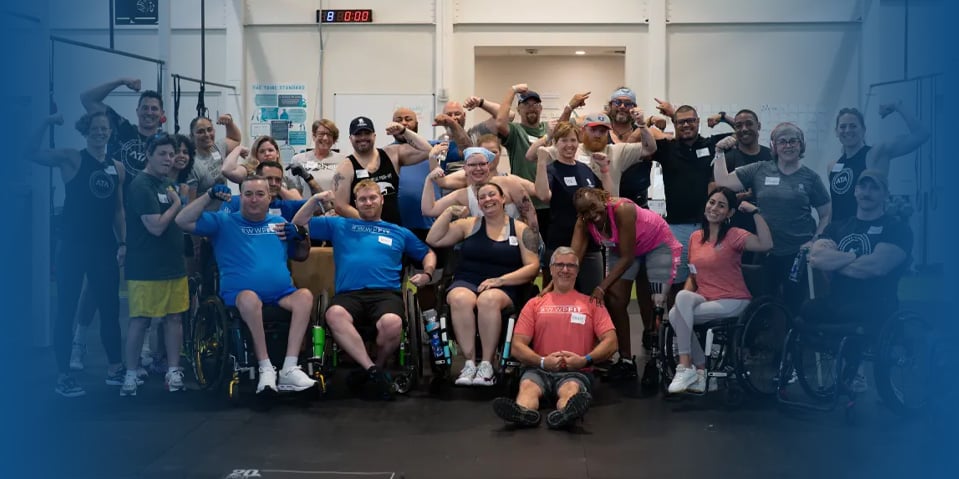
Alec Zirkenbach, founder of the Adaptive Training Academy, explains how welcoming people with disabilities into your gym isn’t just a public service: it’s good for business.
Most trainers and coaches who work with adaptive athletes or people with disabilities do so because of a personal connection: either a family member, a friend, or maybe from their own experience.
That’s certainly true for Alec Zirkenbach, founder of the Adaptive Training Academy (ATA), a 501(c)(3) nonprofit dedicated to expanding accessible and inclusive fitness worldwide. An injury in the Navy that almost cost Alec the use of his right leg led him to dedicate his life to improving access to fitness for adaptive athletes and people with disabilities.
However, while having a personal experience is a wonderful reason for someone to become interested in expanding access to fitness, Alec argues that even trainers and gym owners who don’t know a disabled person should learn how to work with adaptive athletes.
The reason is not just because it’s a selfless and community-minded thing to do.
It’s also a smart business move.
First, A Personal Connection
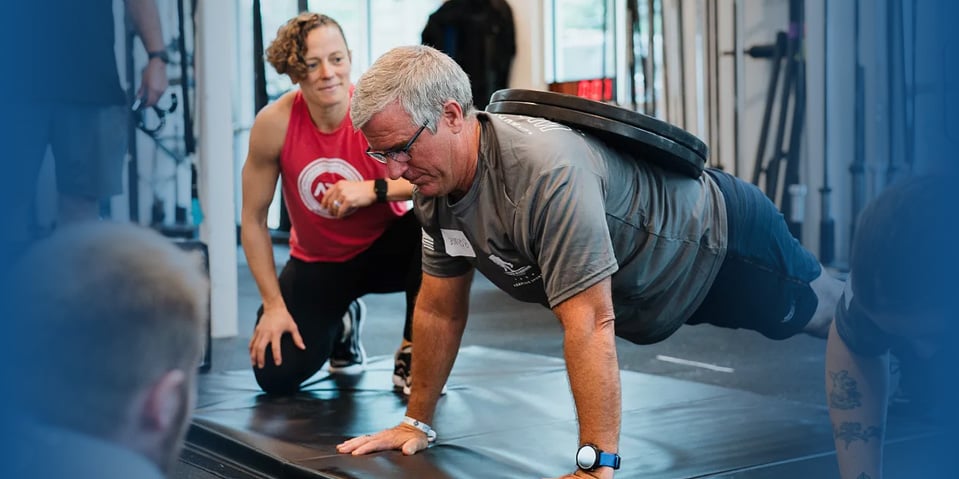
The ATA offers seminars and courses designed to teach people how to provide safe and effective fitness training for people with disabilities. Alec said about 40 percent of the people taking their course are coaches and trainers and around 30 percent are physical therapists or occupational therapists. The rest are adaptive athletes and program managers who work with organizations that serve a disabled population.
Almost all of these people ended up at the seminar because of a personal connection.
This is supported by research. A PhD student at the University of Virginia looked at trainers and other fitness professionals who pursued disability specific certifications. All of them had a personal connection to disability. They’d either met someone with a disability or they were themselves disabled.
“It's always that somebody has some type of interaction with somebody with a disability, whether it's them themselves, a family member, friend, or somebody who came into their gym,” Alec said.
The problem is this limits the amount of trainers who are qualified to work with adaptive athletes, and it also closes off a potential revenue stream for your gym.
Inclusivity is Good for Business
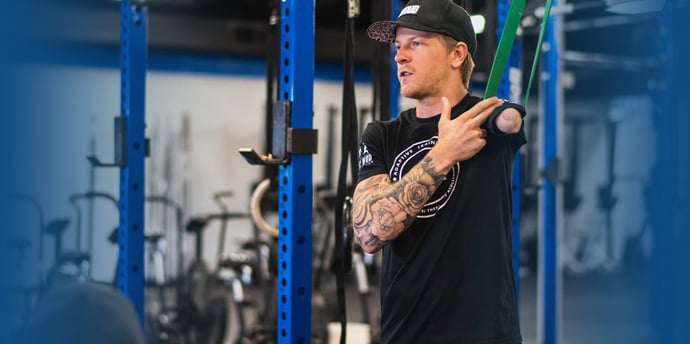
While having a personal connection is a wonderful way for a trainer to seek more adaptive fitness education, it’s not enough to fill the need, to ensure more people with disabilities have access to exercise and fitness.
“My goal is to get more gyms or trainers aware that there is a need for them to learn to work with people with disabilities, and not just because it’s a good, moral thing to do,” Alec said.
Alec pointed out that 25 percent of the population in the United States identifies as having a disability.
“And yet,” Alec said, “that's not represented in our gym communities.”
One of the reasons people with disabilities don’t work out in gyms is because there are so many barriers to entry, Alec said. When you don’t see yourself represented in a space, it feels much more intimidating to join in.
In addition, if none of the trainers or coaches know how to scale or adjust the workouts, you might also feel unwelcome in that space.
This all means that if you are able to demonstrate that your gym is a welcoming place for people with disabilities – through your coaching and your marketing — you can open up a previously untapped revenue stream.
“If a gym becomes a center where people with disabilities can trust their training, they know they can train safely and effectively and they're welcome there,” Alec said.
Once that happens, Alec said, word will spread.
“And then you could take on new members because you're providing that service,” he said.
Alec added that once a trainer is qualified to teach people with disabilities, they can begin offering specialized classes, much like a kid’s class or a class for seniors.
“You can provide a similar methodology,” Alec said, “but you need to make some tweaks to the programming and specifically how you coach those athletes to make sure it's still safe and effective.”
About Author, Hilary Achauer
 Hilary is a renowned fitness business writer, marketing content writer, and journalist. She’s written content for start-ups, entrepreneurs, executive coaches, wellness providers, gyms, and CrossFit. Her focus is always on telling the best story with a clear, compelling style and being able to engage readers, bring in new customers, or build an audience.
Recent Stories
-
Why Gyms Should Add Adaptive Fitness Programs
September 17, 2026
-
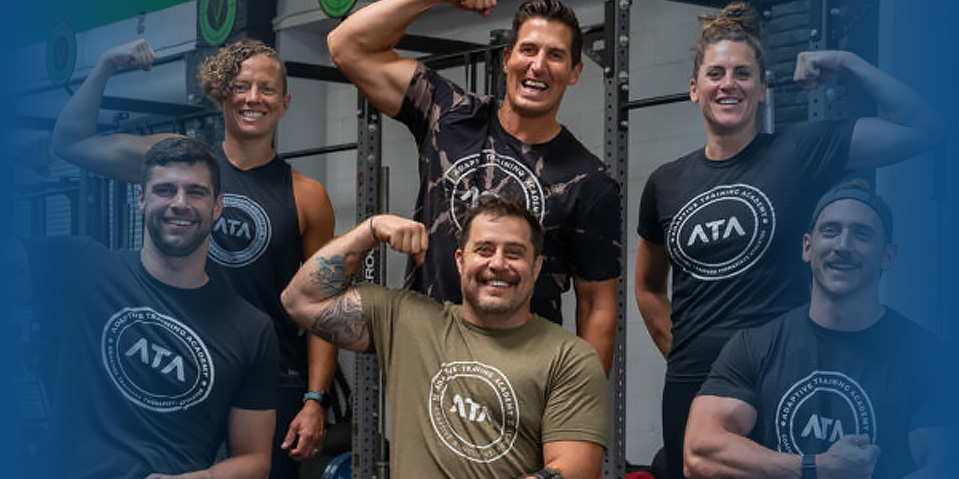 Fitness for All: How The Adaptive Training Academy Makes Fitness More Accessible and Inclusive
August 17, 2026
Fitness for All: How The Adaptive Training Academy Makes Fitness More Accessible and Inclusive
August 17, 2026 -
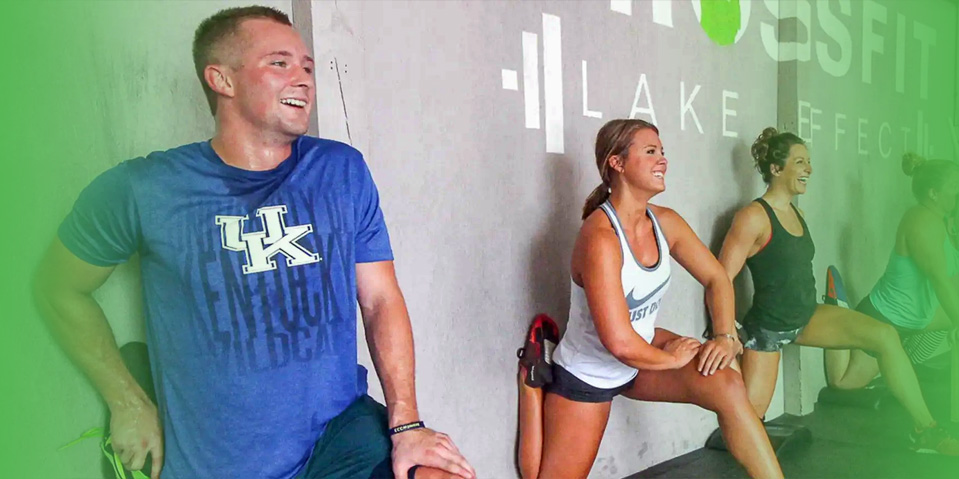 Fitness For a Cause
July 15, 2026
Fitness For a Cause
July 15, 2026 -
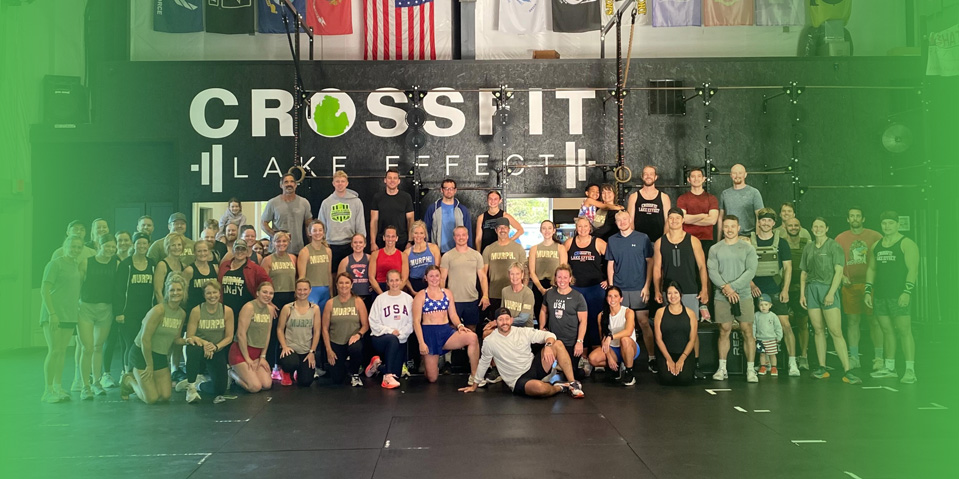 CrossFit Lake Effect: A Different Kind of CrossFit Gym
June 15, 2026
CrossFit Lake Effect: A Different Kind of CrossFit Gym
June 15, 2026 -
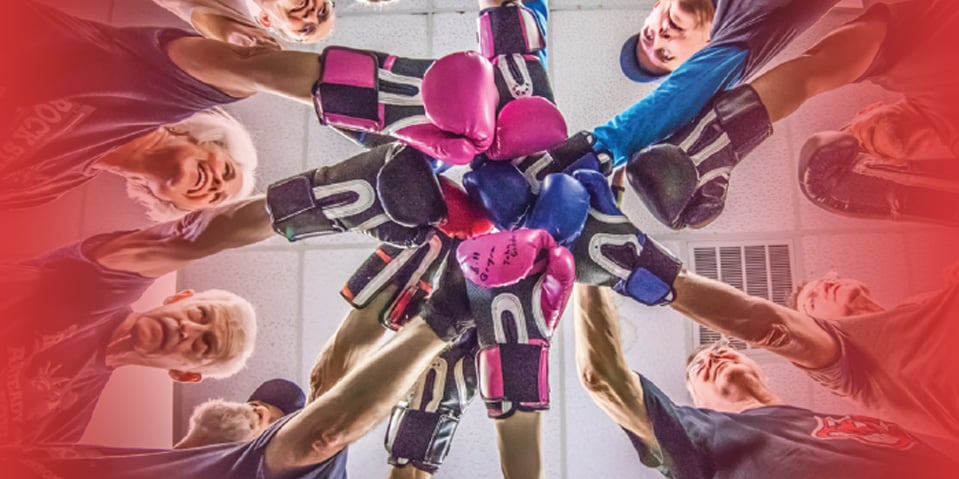 How FitWell Foundation Makes Fitness Accessible to People of all Abilities
May 18, 2026
How FitWell Foundation Makes Fitness Accessible to People of all Abilities
May 18, 2026